Comfort & Joy (Christmas Eve Message 2025)

Comfort & Joy (Christmas Eve Message 2025)

Even when the sun is shining outside, the world can seem dark. That’s because almost everywhere we look, everything we read, everything we listen to, brings us bad news. 

Right now, across the world there are eleven civil wars being fought. There are 19 countries dealing with terrorist insurgencies. There are two major interstate wars. There’s gang warfare not too far from here in Haiti, and it has a real impact on many of my coworkers and friends. This year there have been devastating natural disasters around the world–resulting in a loss of life, homes, and businesses that is hard to tally. 

A hundred years ago, things like this happened around the world, but if it didn’t happen near you, you wouldn’t hear about it for months, if at all. Today, in our world of the 24-hour-news-cycle, our phones alert us about breaking news from places on earth we couldn’t point out on a map. Our phones constantly tell us that bad news is everywhere. The TV news highlights stories of crime, corruption, and war. They show us graphic images and videos of this bad news. Sometimes we can watch these horrors live

So it seems like bad news is all there is. But…that’s because we are getting our news from the wrong source. Today, I’m here to tell you that despite all evidence otherwise, Good News reigns

When you read the headlines and watch the news, what you see is based solely on earthly events, many of which are the result of selfish or evil actions. But headlines are not the whole story. They are never the whole story because life is not summed up by big, bad news. Whether or not this life is worth living is not based on human action or inaction. 

Woven like an unbreakable golden thread through every crack and crevice in the always-messy, often-painful human story is goodness. Whether it’s visible to the distracted human eye or not, goodness is always present. I know this because the whole truth of what is happening on this earth is not the human story. We are part of something much bigger. First and always, what’s going on here is God’s story

God was, is, and always will be about goodness. At the very beginning of time as we know it, “the earth was formless and empty, darkness was over [everywhere], and the Spirit of God was hovering over the waters.” There was a moment when God said, “Let there be light,” and there was light. God saw that the light was good, and he separated light from the darkness. God called the light “day,” and the darkness he called “night.” (Genesis 1:1-5)

God continued, joyfully creating a world teeming with life, which included human beings who would join him as loving caretakers of the earth and all that lived here. When he finished creating, God stepped back to survey everything he had made. He declared it all “very good.” (Genesis 1:31) 

Goodness was the beginning. And life on earth, as God intended it, was supposed to stay good—to be bountiful and full of flourishing. But the people that God lovingly created and appointed as caretakers messed it up. 

You see, God gave his people parameters to keep them on his path of goodness, but he also gave them freedom to choose. As we know, Adam and Eve disobeyed the only command God gave them, a command that was meant to protect them from more than they could handle. 

Satan, God’s enemy, tempted them to sin by exploiting the sense of goodness and freedom God had given them: “You won’t die by eating the fruit God put in his garden,” the serpent said. “God knows that when you eat from it your eyes will be opened, and you will be like God, knowing good and evil.” (paraphrase Genesis 3:4-5)

God’s people—created from and for goodness—made the bad choice. They disobeyed God and it had devastating consequences. They were banished from the Garden of Eden, no longer perfectly in-step with God. Suddenly, they understood their vulnerability and weakness apart from God. They became self-conscious and insecure. They thrust themselves into a life shadowed by the curse of sin, which introduced things like toil and pain and fractured relationships (see Genesis 3:14-19). This was the first of many human-made cracks in the good foundation God had laid for his creation. 

Current events are full of accounts of violence and war, abuse and corruption, disasters, death and destruction. The same was true two hundred years ago. The same was true 2000 years ago in Bible times. All you have to do is open the Bible, start reading, and you quickly encounter the same list of bad news. That’s because the brokenness in the human story today echoes all the way back to the Garden of Eden when Adam and Eve stepped beyond the bounds of God’s goodness. 

Ever since the garden, humans in every age have been reliving the same basic story. God shows us the way. We go our own way. We try to do things by our own strength and savvy. But without God, we inevitably lead ourselves on a path to pain and brokenness and our headlines become bad news. 

But here’s the Good News! In every age, in every reliving of this human story, God is present. God is steadfast. And long ago, shortly after Adam and Eve turned toward sin, God–moved by love for the people he created–reset the human story. He enacted a master plan to redeem this broken world. By this plan he would open up a way for us to receive good news, to escape the ravages of sin, and to be restored to a healed relationship with him and all creation. Listen to the plan…

Long ago God chose a man named Abraham and his tribe to be set apart as God’s own people. He entered into a covenant with Abraham and his descendants, promising to make them into a great nation and through them, bless all people on earth. (See Genesis 12:1-3; chapter 17.) Sounds like good news, right? All they needed to do was to faithfully listen to God and follow his ways.

And so The Great Redemption Plan was set in motion via this covenant. Abraham was faithful to God, though not perfectly so. He did sin along the way, but God always lovingly steered him toward the better way. The following generations were less faithful, but God stubbornly renewed his covenant with them again and again. 

As time went on, God’s people–eventually called the Israelites–failed miserably at being faithful to God. Down the generations, though there were many faithful individuals, the Israelites brought about their own doom and despair. They made idols and worshiped other gods. They disobeyed many of God’s commands, sometimes doing terrible evil. They started unsanctioned wars. They committed acts of violence. They took advantage of vulnerable people. Many of their kings were corrupt, motivated by selfishness and a lust for power. It was a dark time.

When the Israelites sinned and broke the covenant, God was heartbroken and angry. God’s intention was that the Israelites would be like a beacon of light in the dark world, drawing other peoples to follow God. But with their astounding propensity to sin, their light for God was only a flicker. Something greater, brighter, something incorruptible was needed to bring The Great Redemption Plan to completion. 

It seems like the Israelite story contained mostly dark headlines and bad news. But when you read carefully you see that Good News reigned. In the darkest period of the Old Testament—when the Kingdom of Israel had been invaded by foreign oppressors, God’s temple destroyed, and many Israelites had been taken to live in exile in foreign lands—Good News was proclaimed. 

Through a prophet named Jeremiah, God reminded his people of his goodness and in his intentions. He told them, “I have loved you with an everlasting love; I have drawn you with unfailing kindness…I will gather my scattered people and will watch over [my people]like a shepherd…I will deliver and redeem you…I will turn your mourning into gladness; I will give you comfort and joy instead of sorrow” (paraphrase Jeremiah 31:1, 10-11, 13 NIV).

Through a prophet named Isaiah, this Good News was declared: “…the people walking in darkness have seen a great light…For to us a child is born, to us a son is given, and the government will be on his shoulders. And he will be called Wonderful Counselor, Mighty God, Everlasting Father, Prince of Peace. Of the greatness of his government and peace there will be no end” (Isaiah 9:1, 6-7 NIV).

When life seemed hopeless, God reminded people of his love. When they were tempted to despair, God promised them coming redemption and with it: gladness, comfort and joy. What a turn around! This life of goodness would come through a yet-to-be-born child who would one day reign with justice, might, and peace. 

Hearing this Good News, God’s people waited and hoped. Many of God’s people continued to live in exile, challenged to faithfully follow God among peoples hostile to God’s ways. But still they hoped. And their hope in God’s Good News burned for generations, even as they fell subject to one pagan empire after another. Surrounded by bad news, they held tightly to God’s promise of the great light, the son who would be born to save them.  

Hundreds of years passed and then Good News came again. God sent a messenger named Gabriel to a young woman named Mary. Gabriel told her, “The Lord is with you. You will conceive and give birth to a son, and you are to call him Jesus. He will be great and will be called the Son of the Most High. The Lord God will give him the throne of his father David, and he will reign over Jacob’s descendants forever; his kingdom will never end” (Luke 1:30-33).

Within the year, an angel of the Lord appeared to some shepherds watching their sheep in the fields. The angel announced: “I bring you good news that will [bring]great joy for all people. Today in the town of David, a Savior has been born to you; he is the Messiah, the Lord” (Luke 2:10-11).

On that day, which we call Christmas, God’s son Jesus was born. The final stage of The Great Redemption Plan began. Hope sparked in the people who saw the baby. They knew Jesus was God’s goodness and love in human form. So the shepherds praised God. A troupe of angels sang: “Glory to God in the highest heaven...” And Mary cradled her baby, treasuring all of this in her heart. (see Luke 2:13-14 and 19-20)

That baby grew into a man who became a traveling preacher. Jesus began his mission work quoting the prophet Isaiah. He stood up in the synagogue and read these words: “The Spirit of the Lord is on me, because he has anointed me to proclaim good news to the poor. He has sent me to proclaim freedom for the prisoners and recovery of sight for the blind, to set the oppressed free;to proclaim the year of the Lord’s favor” (Luke 4:18-19).

Everywhere Jesus went he boldly spread Good News. Jesus declared himself to be “the light of the world.” Saying,“Whoever follows me will never walk in darkness, but will have the light of life” (John 8:12). And then he proved he was the light by healing people. By his touch or just his word the blind could see and people crippled by disease could suddenly stand and walk! 

Jesus said “I am the good shepherd; I know my sheep and my sheep know me…and I lay down my life for the sheep.I have other sheep that are not of this sheep pen. I must bring them also” (John 10:14-16). And he revealed his goodness by serving, forgiving, and calling to himself all kinds of lost people. He called the humble people in society like fishermen, women, and children. He called outcasts like tax collectors, half-breed Samaritans, and Roman soldiers. He made room for all people living in despair to come into his light. 

Jesus declared that he was “the way, the truth, and the life” (John 14:6-7). The ultimate proof of his goodness would be sacrificing his life on a cross. In his death he would defeat the power of sin and death. And by the power of God, he would be resurrected once again to life, opening the gates to eternal life for all who would repent of their sin and believe in Jesus. (See John 11:25-26)

Friends, because of Jesus, Good News reigns—even in a world that seems saturated with bad news. 

Because of Christmas, God’s Good News has spread to every generation. 

Because Immanuel, Good News has traveled to every tribe and continent. 

Because a baby was born 2000 years ago in a tiny town named Bethlehem, Good News is now sung in a thousand languages. 

Yes, we live in a world that seems dark. But take comfort in this: bad news is for a time; Good News is for eternity.

Yes, the headlines in our world are depressing. There’s bad news on a global scale and there’s bad news in our individual lives. But I hope you can find joy in this: Jesus, the fullness of God’s goodness, has come to right every wrong. To forgive every sin. To break every chain. To heal all the brokenness in the world, and in you. 

In the beginning was Goodness. Goodness was with God, and Goodness was God. Jesus was with God in the beginning. Through him all things were made. In him was life, and that life was the light for all people. Jesus—the Son of God—thee embodiment of Good News—he shines in the darkness, and the darkness will never overcome it. (See Genesis 1:1-5 and John 1:1-5)

Good News Reigns! 

In Our Weakness

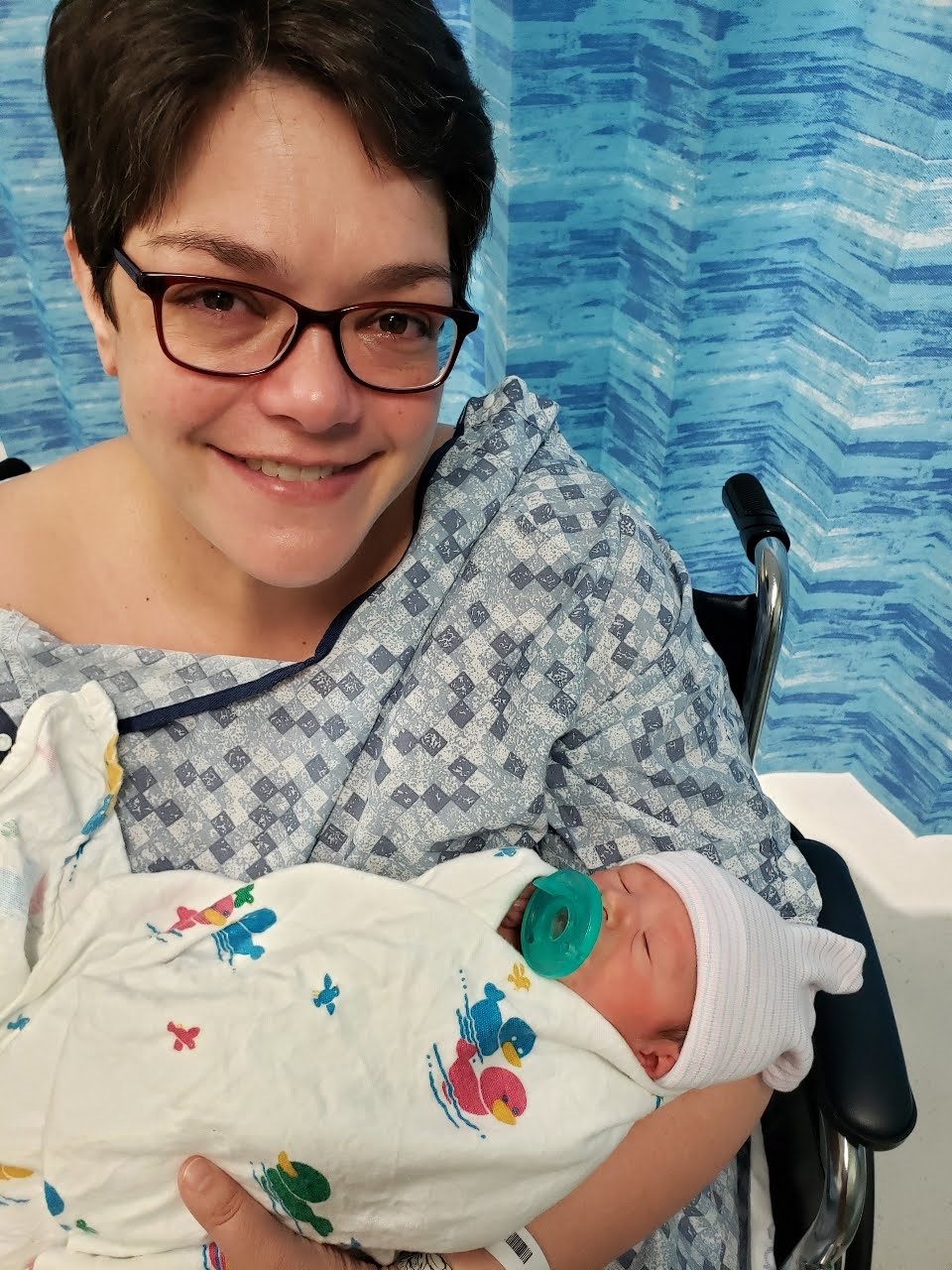
I had an emergency appendectomy two weeks ago. The surgeon said that my appendix had begun to leak and looked ready to burst when he removed it. The surgery was easy and I spent just one night in the hospital for observation. I looked and felt good the day I got home. I kept saying to my husband, “I can’t believe that I had an organ removed!” 

But then, two days later, the fatigue hit. I was suddenly very weak and constantly uncomfortable. It was hard to sleep and rest well. About a week after my surgery, I looked at my husband again and said, “I can’t believe that taking out this small, unnecessary organ can cause so much discomfort!” I got a little emotional and I said to Dennis, “Can 2020 be over? I want to quit this year.” 

Have any of you felt like this recently: physically weak, emotionally taxed, or overwhelmed by life? Maybe for you, it’s general anxiety or malaise after enduring six months of pandemic living. I’ve taken to calling life in this time “Pandemia.” When I say Pandemia, I hear a combination of the words pandemonium and pandemic. The pandemic has brought life like we’ve never seen or experienced before. It has upset or upended our lives in so many ways. 

Our individual lives and needs continue in Pandemia. We still have bills to pay. Doctors’ appointments to keep. Grocery shopping to do. Errands to run. Personal matters to attend to. But all of this activity must be tweaked in Pandemia. Masks are a must. We keep our physical distance as best we can. Some of us have learned how to have groceries delivered to our homes. 

Pandemia forces us to adjust things we don’t want to adjust, like gatherings with friends and family. It requires sacrifices that we did not sign up for. It has brought new discomfort and discontent to our lives. It calls for flexibility and creativity so that we can engage in something close to the activities we were used to before. Unfortunately, some of us are not very flexible or creative; we are tired and strapped. Other than extreme introverts, I don’t know anyone who loves living in Pandemia.

For some of us, Pandemia is a place of hardship and fear and grief because it has brought us unemployment, financial strain or insecurity. Some of our loved ones have been directly affected by the virus. For some of us, Pandemia means physical isolation, illness, and it may have even brought death to our lives.

The grief over all these changes and losses is real and warranted.

Pandemia is not what we want. It’s not an easy way of living. We don’t know when it will get better or when it will end. It seems we are stuck in Pandemia for the time being. How do you feel about that? Have you hit the wall like I did a few days after my surgery? Did you, in a short time span go from, “This is not so bad; I can handle this” to “I’m done with 2020; can I please quit?” 

When you think of all the ways you’ve had to adjust your life in Pandemia, all the changes and restrictions, all the feelings you have surrounding them — how are you doing? Where do you feel on a sliding scale between physically weak and strong? How about the sliding scale between emotionally fatigued and emotionally resilient? Between pessimism or hopefulness about the near-future? How are you enduring this? Do you feel like you need a little help?

One of my favorite quotes from our friend and master, Jesus, comes from the Gospel of John 16:33 (NIV). Jesus said, “In this world you will have trouble. But take heart! I have overcome the world.” When he said that, Jesus was specifically preparing his disciples for the persecutions they would suffer as his followers. But it’s safe to say that Jesus knew that this life brings with it all kinds of trouble, not just persecution for faith. Jesus knew about the troubles caused by famine and war and divorce and abuse and illness and disability and sin. 

Paul knew about these too. In his letter to the Roman believers, he addressed all kinds of hardships that they were facing, and all the new things they had to navigate now that their identity and allegiances had changed. You see, the Romans believers had gone from being people of the world, consumed with worldly things, to being people of God whose lives should be transformed by God’s Spirit. They’d gone from being Roman citizens, Jews or Gentiles, slaves or free people, to citizens of the Kingdom of God, a united, free, beloved people. Their primary allegiance was now to a triune God — loving Father, self-sacrificing Son, and indwelling Spirit.

The people of God wanted the freedom from slavery to sin that their identity brought. They needed it. But with their new identity also came necessary and uncomfortable lifestyle changes. Becoming a disciple means life-transformation. When we live under the banner of a loving Father, it means we must love and accept the people that God loves. That means everyone. It means finding a way to love and serve those who would not otherwise receive your regard. And that can be uncomfortable and can cause strain, but ultimately, it is good for our souls.

Being disciples of Jesus means we must learn to sacrifice our selfish desires or needs to put the needs of others first. It means joining Jesus’ mission and actively working toward the healing of those who are ill in body or mind. It means doing our part to tear down roadblocks for disabled and marginalized people.

Life lived, “in the Spirit,” as Paul calls it in his letter, is one that lets go of sin and selfish pleasures, and instead pursues things that lead to abundant, wholesome life and peace for ourselves and others. 

The first Christians in Rome faced not just the difficult changes that come with discipleship, they also faced the hardship of persecution for their faith. Their new identity and new ways of living caused friction within their own community, but also stirred up quite a bit of trouble between the believers and their unbelieving family, friends, masters, civil leaders, and even the government. At best, they were met with curiosity by the outside world. But I imagine their general reception was mostly wary, skeptical, and even downright hostile. Just like Jesus encouraged his disciples with some no-nonsense talk, Paul wrote to encourage the Roman believers in their own troubles. 

In Romans 8:18-25, Paul wrote this:

I believe that the present suffering is nothing compared to the coming glory that is going to be revealed to us. The whole creation waits breathless with anticipation for the revelation of God’s sons and daughters. Creation was subjected to frustration, not by its own choice—it was the choice of the one who subjected it—but in the hope that the creation itself will be set free from slavery to decay and brought into the glorious freedom of God’s children. We know that the whole creation is groaning together and suffering labor pains up until now. And it’s not only the creation. We ourselves who have the Spirit as the first crop of the harvest also groan inside as we wait to be adopted and for our bodies to be set free. We were saved in hope. If we see what we hope for, that isn’t hope. Who hopes for what they already see? But if we hope for what we don’t see, we wait for it with patience.

Common English Bible, 2011.

The discomfort a believer experiences as their identity shifts and they live increasingly “in the Spirit’ causes friction with the world around them. This is like labor pains. It is real pain and discomfort, but it is pain that will end. It is pain that leads somewhere good. It is pain that gives new life.

Believers endure difficulty knowing that it will pass. Beyond it, there is freedom from decay and pain and suffering and death. We are all leaning toward a life and future that is gloriously free from sin, is typified by harmonious fellowship, sees the restoration of our bodies, and is chock full of wonderful intimacy with God. We experience these good things now on a certain level, but they are not complete. Not at their fullest. We are not completely free because we are still waiting for God to bring his full restoration plans to completion. 

So, in this already-not-yet time, we wait. We groan. We are stretched in uncomfortable ways. Here’s the good news: good fruit grows in us in times of trouble. Here’s the not so good news: it is not always the fruit we want. 

We might want our lives and circumstances to produce ease, fun, unencumbered fellowship, and personal convenience. Instead, our lives and circumstances are painfully producing greater endurance, patience, and flexibility through discomfort, sacrifice, and inconvenience. This doesn’t feel like anticipating glory, but it is. These are labor pains that lead to new life. A life that will be ours.

Our lives and circumstances are different from the first century disciples. As Christians in present-day America, we do not face the threat of interrogation, imprisonment, or crucifixion because we live or preach the gospel. We are not facing the persecutions that Jesus, Paul, and the disciples were. 

But we are living in a unique time and circumstance — this Pandemia. We know friction, discomfort, pain, suffering, and grief because of this new and ever-changing world. I imagine the encouragements written in the letter to the Romans apply to us. I imagine they can encourage us, calm us, lift our hearts, and motivate us. 

So please hear Romans 8:26-39 again, in a slightly new way. I’ve taken Paul’s original text from the Common English Bible and adapted for our context. (My changes are in italics.) Receive these words as a letter written to you, here and now.

“In the same way God aided the believers that came before us, the Spirit comes to help us in our weakness. In these unprecedented, uncertain, uncomfortable times, we don’t know what we should pray, but the Spirit himself pleads our case with unexpressed groans. The one who searches hearts knows how the Spirit thinks, because he pleads for the saints, consistent with God’s will. 

We know that God works all things — even pandemics — together for good for the ones who love God, for those who are called according to his purpose. We know this because God knew about the pandemic in advance, and he decided in advance that through this trouble, we would be conformed to the image of his Son. That way — a way that walks through storms, anticipates hardship, and endures suffering — his Son would be the first of many brothers and sisters born and developed through suffering. We are those who God decided in advance would be conformed to his Son through a pandemic. He also called us to this time and place. Those whom he calls, he also makes righteous. Those whom he makes righteous, he will also glorify.

So what are we going to say about these things? What are we to do in these times? How are we to live in Pandemia? This should be our motto: If God is for us, who or what can be against us? 

Remember, God didn’t spare his own Son but gave him up for us all. Sacrifice leads to life. And so, if we trust and follow that pattern, won’t God also freely give us all the things we need, just as he did with Jesus?… It is Christ Jesus who died, even better, who was raised, and who is now, living and reigning at God’s right side! It is Christ Jesus who shows the way for us: meeting the needs of others, working for healing, making a way for the marginalized, enduring pain and hardship and choosing self-sacrifice for the good of others.

We may feel weak and exhausted, anxious and uncomfortable, disconnected and lonely due to current circumstances, but is there not the greatest comfort in this question: Who will separate us from Christ’s love? 

Will we be separated from God’s love by any trouble, or distress, or harassment? Have we been separated by famine, or physical danger, or war? Will we be separated from God’s love by a virus without a vaccine? By economic instability or a potential recession, or partisan blame-games, by fake news, or by real, scary news? Can we be separated from God’s love when we wear a mask, or when the store is low on flour and meat and paper products, when we have to adapt our social gatherings for a time, or when we have to keep six feet between us and those we love?  

These things are difficult. It can feel like “we are being put to death all day long for days on end. We might feel as valuable as sheep raised only for the slaughter.” But in all these discomforts and sacrifices and griefs, we will still win the greatest prize to be had, through the one who loved us. 

I’m convinced that nothing can ever separate us from God’s love in Christ Jesus our Lord, whether we encounter it in our daily lives or in a headline. Nothing can separate us from God’s love. Not death or life. Not angels or demons or possible UFOs or life on Mars. Not presidents, or senators, or supreme courts, or city councils, or mayors, or school districts. Not a virus, or a pandemic, or masks, or social distances, or a lack of hugs and handshakes. Not government corruption, or abuses in policing, or protests, or the labor pains of righting systemic injustices. Not present troubles or future troubles. Not divorce, or addiction, or mental illness, or disability, or lawsuits, or bankruptcy. Not powers used well or power abused. Not canceled cruises, birthday parties, and family reunions, or adjusted weddings or receptions, or postponed travel plans. Not being pro-this or anti-that. Not being Catholic, or Evangelical, or Presbyterian, or Methodist, or Jewish, or other. Not being a perceived sinner or a celebrated saint. Not whether we wake up in the heights of optimism or in the depths of despair. Not anything that is created…NOTHING can separate us from God’s love.

(Adapted from the text of the Common English Bible, 2011.)

Pandemia is hard. It’s taxing. It is not what we want. It requires sacrifices we may not want to make. Times feel dark and dreary. Your soul might feel that way too. There’s a lot of fear swirling around this world. That’s why we need to remember that we straddle two worlds. 

Yes, we live in this Pandemia. But is it just for a time. We only have one foot here. We live in Pandemia, but we are also children of God. We are disciples of Jesus. People called to live “in the Spirit.” As such, we also have a foot in the kingdom of God. This kingdom is our primary citizenship. 

As heaven’s citizens, what if we flipped our perspective of Pandemia? What if we viewed this time and these fraught circumstances like labor pains? What if we could trust that God is in all this mess, working things toward good? How would we feel then?

Would fear calm down? Would we be more willing to be uncomfortable and socially distant for the good of our neighbors and our world? Would we rise from our beds each day with eyes to see God on the move in the production of vaccines, in innovations in healthcare that treat those sick with Covid, in communities willing to wear masks to protect each other? Would hope overthrow uncertainty? 

Pandemia is ugly, and scary, and contentious. I don’t want to be here. I wish it was something I could quit. I often feel emotionally drained. The headlines in Pandemia are discouraging. But the good news is — I don’t belong to Pandemia. I belong to God.

I will sometimes — maybe even daily — struggle with my attitude, but then I can choose to live as a citizen of the Kingdom of God. That means I will remind myself that this is only for a time. This will pass. When the pandemic ends, God will still be on the throne. God will still be good, and his goodness will have bloomed all around us. I will endure Pandemia for the sake of the glories to come in the Kingdom of God. 

Jesus put it another way:

“The kingdom of heaven is like a treasure that someone hid in a field, which somebody else found and covered up. Full of joy, the finder sold everything and bought that field.”

Matthew 13:44, CEB

Fostering Afterword

“How has this experience changed you?”

That was the question a friend asked me about my first foster placement. My brain spun, searching for an answer, but I couldn’t find one for him. Months later, I still can’t. I know I’ve changed, but knowing how I’m changed is not that important to me. Right now, I’m focused on mending after a season of trauma.

Trauma scrambles the brain and the emotions, making truth-telling so much harder. This story has been locked inside me for months; I’m just starting to find words to pray. I’ve tried to write about my experience, even just for my own processing, but the story was locked up tight behind a wall of confusion and tears. Things are finally loosening up and now I want to share a bit of my story with you.

When I took in a young girl last year, I also took in her history. It was fed to me by social workers and therapists in tattered and disjointed pieces that, when gathered, told a story that no child should have to live. There were generations of family dysfunction, major traumatic events, and a chain of broken promises and misplaced blame. Every adult in this girl’s life failed her in big ways. Past trauma and present uncertainties made her anxious, angry, scared, and depressed. Those big emotions led to difficult and unpredictable behaviors, and to some unsafe situations. Every day was a battle. I fought for her and she fought me.

She was desperate for her family, for love, and for a sense of control in a fractured life, but she would have none of that. A judge determined the course of her future. She would never have the life with her family that she desperately prayed for every night at our dinner table. In her loss and grief, she could not accept the love I offered her. It wasn’t personal — I’m simply not who she wants. Somewhere in month four she declared me a primary villain in her tragedy and began to lash out in both passive-aggressive and openly aggressive ways.

I want you to know that love her. Yes, my heart broke over her history, but my love did not grow out of sympathy. I love her because of who she is underneath the PTSD and challenging behaviors. I wish you could have seen and known her as I did in her purest, happy moments. (And I weep that pure, happy moments were so few.) For all her quirks and difficulties, she was goofy and hilarious, shy yet curious, courageous and sweet. She enjoys lip-synching, spontaneous dance parties, YouTube, slime, drawing, unicorns, science, and hip hop music.

I battled for this brave, precious girl every way I knew how. I did my best to parry her behavioral and emotional sword thrusts with calm, patience, empathy, compassion, redirection, healthy boundaries, and reassurances of understanding and love. I tried to teach and show her that I was her ally, not her enemy. I tried to build up her sense of safety and stability. I advocated for all aspects of her wellness — physical, mental, relational, emotional, and spiritual. I sought the advice and skills of experts. I kindly but firmly battled a frazzled case worker who didn’t take our crisis seriously because, apparently, there were emergencies that took precedent. Maybe if things other than hearts were breaking, the case worker would have responded appropriately.

I spent every inner resource I had seeking help, but the stress of our daily life was too much. She was stuck and heartsick. I was stuck and physically depleted. Help wasn’t coming. My hardy immune system failed, succumbing to three major infections in two months. You can only live and battle hour-by-hour for so long. Eventually, I made the most difficult call of my life. I asked them to find her a new home.

In the foster care world this is called a disrupted or failed placement. I hate those words. I hate this reality. I hate that I had to make that phone call.

I hate that children are victimized. I hate that adults are weak and selfish and broken and sick, and don’t or can’t protect their children. I hate that trauma can rewire the brain and while healing is possible, I hate that it is slow. I hate that the best therapies we have don’t always work. I hate that “the system” is underfunded and mismanaged. I hate that social workers suffer an undue burden when all they want to do is help, and I hate that they don’t or can’t always help.

But most of all, I hate that she might hate me.

I mourn that she couldn’t accept my love and that she couldn’t love me back.

I wish that love was always enough.

I am heartbroken that our story together ended this way. I wanted more joy for her. More healing. More friends. More stability. More laughter. More smiles that reach her eyes. I wanted my home and family to be a place where she discovered so many more good things. Now I fear that she’s left my home with only the aftertaste of rejection and remembers nothing of the good and the love. So now I surrender my broken heart and broken hopes to God. I picture her future in God’s hands and pray that there will be overflowing goodness there.

I’m a bit broken but I’m also healing, slowly. I’m through that first, overwhelming wave of grief where you can’t think or see straight. Now I contend against the smaller (and sneakier) crashes of grief. They’re like waves at the beach that look like nothing on the surface but suddenly smack you off-balance, pull you under, and spit you out on the sand. I’m being swept over right now. I’m crying as I write this, dashed hopes stinging my eyes like salt water.

As hard as this was, I know a few things. There was and is some good in this story.

I know this was not a failure of love or resolve. I did everything I possibly could to keep us together and keep us well, but I’m not Jesus. I’m not super-human. I’m not a mental health professional or a child development specialist. I’m just a Jesus-follower who was called to work for justice by loving a vulnerable child. I’m an ordinary woman with a big heart and a spare bedroom and lots of time and life I want to share. So I got licensed and trained. I opened my home and fought wholeheartedly for as long as I could. But I’m human. I have limits and I reached them. It’s good to know your limits and to listen to them. I did my best, and my best was very good, but she needed more than I am equipped to provide.

I don’t regret that I spent my life and love this way. Sometimes good, valuable things are monumentally painful and costly. I know that I didn’t make the wrong decision — to be a foster parent, to love her, or to make that phone call.

So here I am. I’m a post-failed-placement foster parent. I’m rung out and a bit salty but getting back on my feet. I’m changed though I can’t say how. And I’m healing, though the process is slow and lonely. I know I’m going to be ok.

Love, from a Mom

You may have noticed that Pastor with a Purse has been pretty quiet this year. I’ve been spending a lot of what used to be my creative writing time praying, resting, and scooping up fresh motivation.

But life has also fundamentally changed. The good news is that I’ve accepted my first foster care placement. Those of you who have been with me for years know that I began this adventure back in 2008. There’s been a lot of discerning and waiting and praying and preparing to turn the dream of fostering into a real person who now shares my home and life. You can read more about how and why I got here in Mother One Day and Today is the Day. Now, I can say with profound gratitude and a dash of trepidation–the wait is over.

Almost four weeks ago, on an ordinary Wednesday, I got a call about a young girl in need of a new home. We met on Friday and she told her social worker that she wanted to live with me for two reasons: I’m nice, and she wanted to go to church. She visited my home on Sunday and she moved in on Monday. Two days later we had her registered at her new school.

The past month has been a flurry of phone calls, appointments, social worker visits, emergency team check-ins, back-to-school night, emailing teachers, finding new healthcare providers, and adjusting to our new normal.

I’d love to chronicle all the new experiences, struggles, joys, and fears, but one challenge of being part of a foster care story is that I can’t legally share any details about her on the internet and social media. There’s a chance that one day she may legally be my daughter, but there’s also a likelihood that she will be a temporary daughter. Only God knows that bit–the big, uncertain future–but I’m content to live each day simply focusing on her needs here and now.

Rather than fret about things I can’t control, I’m focusing on the fundamentals like her knowing I will always feed her and provide her with clothes and school supplies. Academic “success” in the pressure cooker of Silicon Valley? That doesn’t even make my list of top 25 priorities.

I’m tossing aside conventional parenting expectations to meet the most basic and important human needs: to feel safe, to be loved unconditionally, to build trust, to care for our bodies and our hearts, to know what to do with the nasty emotions that make sneak attacks and leave us reeling, to be free to be a kid after your childhood is stolen from you, event by painful event. If I had to do a 30 day review, I’d say we are doing pretty darn well.

There are so many feelings and so much exhaustion. Here’s what I posted to my Facebook wall last night as I lay curled up in bed, limp and weary but wired:

This is the most significant thing I’ve done with my life to date. I’m mostly living hour by hour, flexing my life around the ever-changing and delicate needs of this precious human that has taken over my house and my time and will likely take over my heart. I sink into my beloved mattress at my new bedtime of 10pm and gulp in the stillness and quiet, and take lots of deep breaths and think–this is so big, and good, and scary, and fun, and motivating.

I’m doing ok, good even. We’re alive and safe and functioning well (despite a head cold for her and a virus for me and a wicked heat wave all over the holiday weekend). We are laughing over board games and our hundredth game of Uno, learning to let loose as we lip sync to Selena Gomez, taking bike rides and shopping trips, braiding hair and negotiating what clothes are age appropriate, and tackling homework to mixed reviews. There are so many thoughts and feelings and appointments that my brain is now constantly leaking details, but what is most important in this life is not being forgotten.

Each day feels a bit like standing on the edge of the Grand Canyon–you know, the parts of the park where there is not a guard rail or even a frayed rope between you and the sheer cliff? It’s wildly beautiful, awe-inspiring, and terrifying all at the same time, but that’s life.

So now it’s 42 minutes past my bedtime and my eyes are telling me I’m too old and too parental to be up this late. So, off I go to the wonderland I call sleep. 6am comes too soon, but there’s never been a better reason to get up early.

Before I became a parent, I worried that I would feel constantly watched and judged by other people’s expectations of my child or their expectations of me as a parent. I also worried about whether I would feel like I was constantly failing. I so often see Facebook statuses and blog posts and articles about family life where moms are tossing about “mom fail” jokes, which I suspect often cover insecurity.

What has surprised me most in this new, wild place is that I feel nothing but satisfied with my efforts. I’m far from perfect. I don’t know nearly as much as I could to help this child thrive. But I’m giving her and myself heaping amounts of grace. There’s freedom to learn, and wide columns for mistakes. There’s open range to ask questions so we can both do better next time. I’m often shaking before some of these new challenges, but I keep looking back at all I’ve overcome in my life and remembering all I’ve seen God accomplish through my simple obediences, and then I’m able to move my trembling feet forward.

I guess I’m being brave. In case you didn’t know, that’s not just for children.

Half the time I have no idea what I’m doing. I’m texting friends and professionals a lot for perspective and advice. I’m asking for prayer regularly. I’m asking for practical help more. But at the end of the day it’s me and her and the Holy Spirit in our little home now packed with a second life’s worth of goods and baggage. So I’m telling myself every day–this is important. You are doing well. She is safe. Build from there. That is good. That is enough.

So Pastor with a Purse may have gone quiet, but there’s a whole lot of good going on under the surface. Hopefully I’ll be back soon to share with you more victories and more of what I’m discovering.

Until then my friends, be brave. Be obedient to your call even when it seems crazy and outlandish, and even when people you love discourage you with their concerns. Give yourself an embarrassing overabundance of grace in new and wild places. Never forget what is most important.

Love,
Corrie, the new mom/mum/mama


The Break

This spring I was working very part-time at a church while I continued a multi-year search for a full-time, permanent position. I was strapped for cash and hope. As I marked my 250th job application, I felt overlooked and frustrated.

The waiting was the hardest part of those years. For all of the hours I spent searching the internet, applying for jobs, and praying, I spent hundreds more waiting. I learned then that waiting can deplete energy faster than any other activity.

As the waiting stretched on, I began to feel diminished. I joked more than once that I was experiencing brain atrophy, but I wasn’t laughing. I was so emotionally exhausted that sometimes I lost my train of thought and stopped in the middle of a sentence. The worst thing in all of this was feeling like I’d lost touch with the vibrant person I am.

Last winter, during the miserable waiting, I went on a spiritual retreat and spent an hour slowly walking a labyrinth. The path was shaped by mismatched rocks on top of sparse Arizona earth. I was so focused on the rhythm of my steps and my prayers, that I missed most of my surroundings. But then, there was a moment when I looked ahead, saw, and stopped. On the ground along a particularly sharp corner of the labyrinth, was a sprig of pale green topped with a single flower. The petals were an apricot color kissed with sunshine. It was a desert poppy, its presence so cheerful and carefree in the middle of so much dust, that I started to cry.

desert poppy

This is the color of my spirit, I thought. This is the joy I’ve lost touch with.

A couple of weeks after that, I applied for the job in Hawaii and few weeks later the principal called to offer me the job. I’d told God that couldn’t face another month of idling, so even though the job was temporary, I accepted it as a gift straight from Heaven. Working with children had never been on my professional bucket list, but I’ve always loved kids, so I thought — why not? At the very least, it would be a break from financial stress and job searching. I was sure to learn something new. To stimulate and engage my mind again. The change might revive my energy and maybe the youthfulness of the students would slough away some of my calluses.

Now it’s December and my last week in Hawaii. It’s been seven months packed with rich experiences, far too many to recount here. The students did revive me. Everywhere I went on campus I’d hear, “Hello Chaplain Gustafson!” Sometimes it was Gusterson, Guftasin, or Gustussin, but it was always endearing. The children just saw me. They accepted me and loved me. I never felt like I had to prove myself to them or perform for them. I could just be me, offer whatever was in my spirit that day, and that was enough. This is the kind of hospitality that extended job searching had sucked out of my life.

One of the most beautiful things about Hawaiian culture is the tradition of giving a flower lei. Most visitors think this is a cute, touristy thing that only happens at the airport or in the lobbies of fancy hotels. For those who live here, giving a lei is a sign of affection and respect. You give one to mark a special achievement or occasion, but more importantly, to honor the recipient.

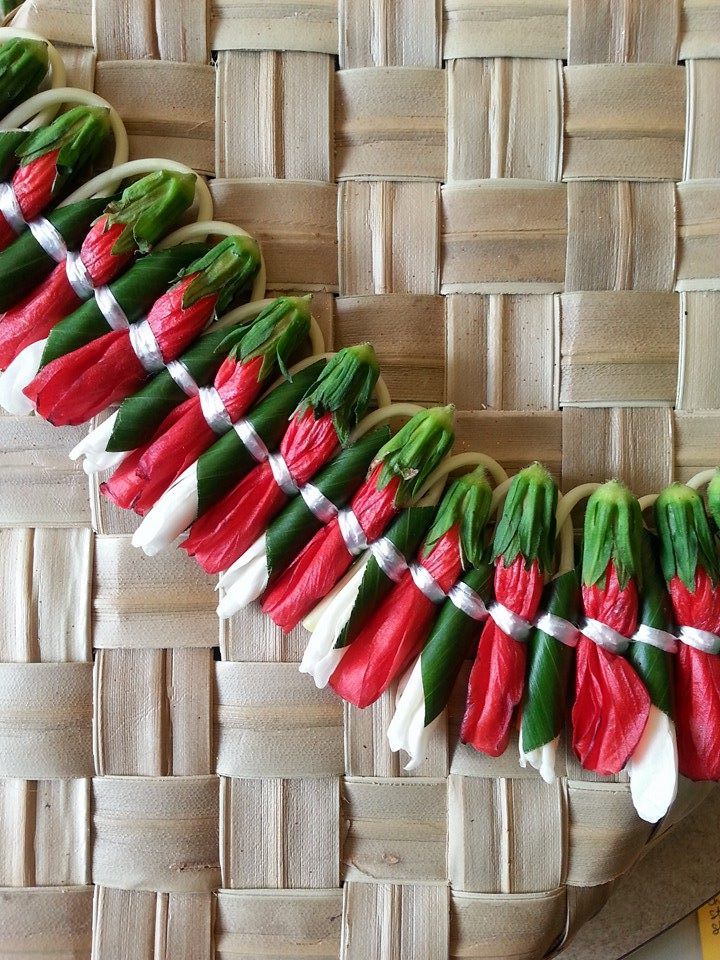
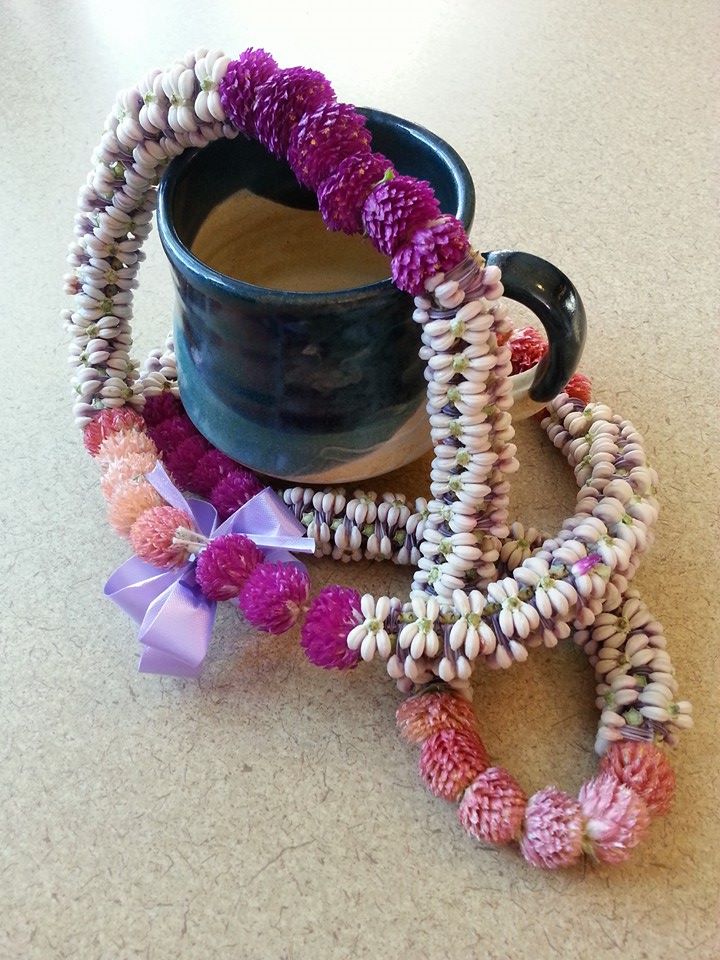
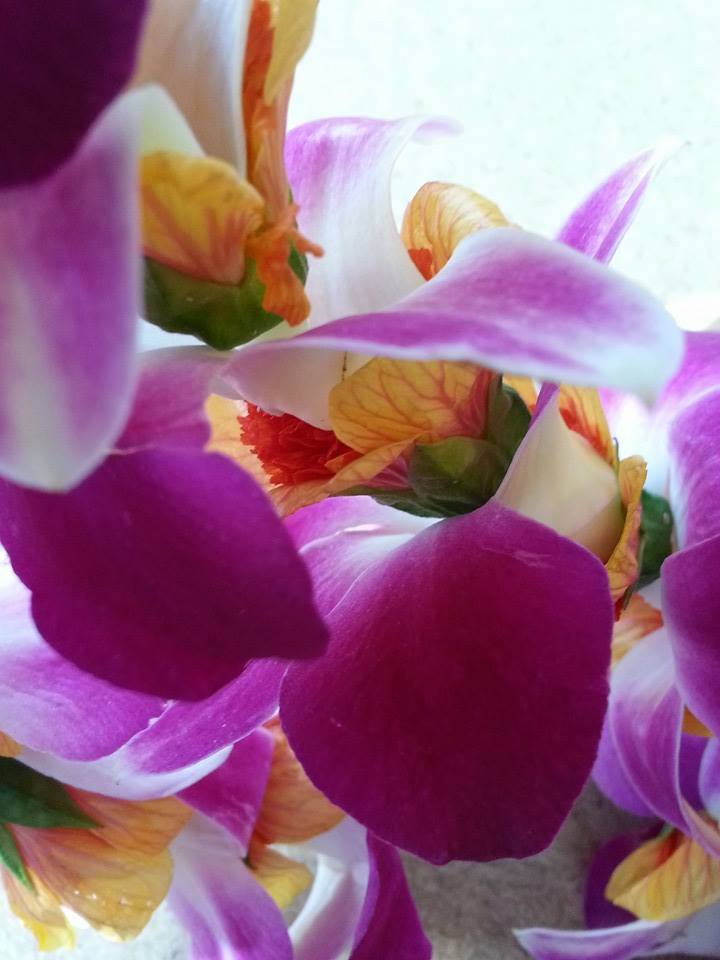
For almost every chapel I led this fall, the class helping me would present me with a lei. This ring of flowers always came with words of thanks and a hug that I would have to kneel to receive. Their variety and colors dazzled. Their sweet fragrance circled me all day, everywhere I went. With a lei around my neck, I couldn’t go unnoticed; their scent drew people to me.

10628512_10152564595396033_6805850627637071050_n10441180_10152560215611033_4391112806883448508_n1965470_10152434835876033_3472058209123031008_o10408813_10152530799931033_3399342177313543541_n10447705_10152566520361033_7692000281253738569_n
1400825_10152564596416033_3284993411088342605_o10154963_10152458796021033_6959451029884652036_n10389203_10152566520101033_8063201499236345565_n10703730_10152378132136033_3904679911730357551_n1609605_10152492203791033_5142464929531473611_n
Because of my story before Hawaii, lei have spiritual significance to me. Each time someone placed one around my neck, a piece of my exhaustion fell away. As flowers piled up, frustrations lost their weight. Just a few months ago I felt invisible and diminished, but now I feel strong and happy. Receiving these lei was like being hugged by God — there was no chance of staying small. Thanks to God, thanks to this job and a promise of a future job, and thanks to these beautiful, giving children, joy is a regular experience again. I’m in full bloom.

A few weeks ago I walked to work in a downpour. I waded through ankle-deep puddles, got splashed by passing cars and sighed as my umbrella leaked drops of cold rain on my head. I am not a morning person, so walking through a storm at 7am put me in a terrible mood. But as I passed the pool on my way to the chapel, there was a break in the gray clouds above the trees. Behind them I could see clear blue sky threaded with brilliant rays of sunlight.

10665810_10152530798706033_2276501508737226842_n

There I was, waterlogged and grumpy, but God was winking. Welcoming me to a new day. Reminding me that there are good things to come.

Seeing the break in the clouds, I smiled, and hoped.

The Day You Said “I Do”

wedding aisle

The year I graduated from college I received 17 wedding invitations. Though it was difficult to decide, I could only afford to attend a few, so I chose the weddings of my three closest friends. The first wedding was in a city church and the reception in an old bank building with 20-foot granite columns and gleaming green floors the color of dollar bills. The next was a homegrown affair in the bride’s backyard. The chickens, donkey and dogs were relocated for the day, a flower-covered arbor set in the corner with the grills far enough away so the smell of barbecue ribs and rocky mountain oysters wouldn’t be mistaken for the groom’s cologne. The bride and I spent four hours the night before baking batch after batch of rice krispy treats which we sculpted into a large castle, complete with turrets, for the many underage guests. The third wedding was a simple, elegant affair in a formal garden on an estate, followed by a dinner cruise which boasted an open bar and a DJ.

To date, I’ve probably attended around 40 weddings as well as fulfilling various roles at them: flower girl, guest book attendant, gift attendant, babysitter, cake server, song leader and soloist. I’ve been a bridesmaid four times and now, as a pastor, I’ve officiated a few weddings, one of which took place under a dripping palm tree at the wind-whipping tail end of an Arizona monsoon.

Weddings, I’ve learned, are as diverse as the couples they honor. But for all that diversity – for all the poignant walks down the aisle, the beautiful music, the first dances, the funny and sentimental toasts – nothing beats the moment when a couple takes their vows.

Vows are what make a wedding something more than a party we throw to celebrate our friends. When you stop and think about life and our culture, it’s truly an uncommon thing to stand before a public audience and before God, to pledge your life to someone else. Whether the language is formal or casual, traditional or unique, long-winded or concise, all vows say, in essence – I’m all in, forever, with you.

Even as a happy single person I am deeply affected by these moments, these vows. Pause and think of the magnitude of saying, I love you in such a way that I will put your needs before my own. The weight, both joyful and challenging, of living up to such love! Each marriage is a new creation, and vows are the moment of incarnation. My eyes are usually dry at weddings until the vows. That’s when my tears flow like cheap champagne; it’s a moment, an event, beautiful to behold.

Recently, though, I’ve been crying sad tears. It seems like every month I get a message or phone call from another friend whose marriage is in significant crisis. For the first time in my life I have a special prayer list just for couples. The list has grown to twelve names. The issues they battle are varied and complex: infidelity, loss of faith, mental health difficulties, conflict resulting from unanticipated change, stagnation, and things they can’t yet articulate. My friends are hurting and angry and afraid, and I hate that there is nothing I can do to fix it. All my prayers seem to turn out the same – God, I don’t know what they need, as individuals and as a couple, but you do. Provide what they need! Do it now.

As I’ve prayed, as my ear has grown hot against my cell phone – as I’ve pondered this creation we call marriage which seems as fine and fragile as bone china – I’ve felt moved to write a manifesto of sorts. So, if you are one of the friends I’m talking about, this part is for you.

As someone who loves you and who believes that marriage is a sacred thing, I make a public declaration and a commitment to you as you walk this valley of shadows. I do this because on the day you said, “I do,” I didn’t just show up for the wine and cake. When you said, “I’m all in,” in front of God and all of those witnesses, in my heart I said the same.

I wish I had a magic wand to erase the painful events, the misunderstandings, the words that can’t be taken back, the erupting diseases that brought you to this place, but we both know that magic wands are fairy-tale fluff. So I promise that I won’t try to diminish the giant monsters you are battling by giving you manufactured pearls of wisdom. If you’re looking for advice and I don’t know what to say, I’ll just say so. I may not have many – or any – answers, but I promise to listen long and well to your concerns.

I will doggedly remind you that you are not alone. Yes, you’ve discovered that a disintegrating marriage is one of the loneliest existences on earth, but you are not alone. Think of your wedding album, about the crowd in all those pictures. Many people love you and would consider it an honor to encircle you with support in this crisis, just as they did at your wedding. It takes courage to admit we don’t have it all together and deep faith to confess when things are falling apart. I will continue to encourage you to be faithful and courageous, which means regular reminders to care for yourself, to gather the support that you need, and to seek professional help. I will gently remind you that there is no shame in seeing a counselor; in fact, it’s a positive choice, a great, long-term investment in your personal and relational health and healing.

I promise to be a safe place for you to experience or express any emotion. You can use all kinds of colorful and “unacceptable” language and not worry that I won’t make eye contact tomorrow. You can yell or be silent. We can go kick-boxing or open the mega-pack of tissues from Costco.

And while everything is safe with me, I promise I won’t let you get away with unjust or dishonest speech about your spouse. Afterall, I hope (and deep down, under all these thorns, I believe you hope) that you will discover a way to healing and stay married until death parts you. Really loving you means that I have to be honest with you. I can’t only try to make you feel good if it leads to avoidance or denial; that isn’t the path to healing. So as difficult and risky as it might be, I will be honest with you about what I see, but I’ll do my best to infuse my honesty with compassion so it won’t sting too badly.

I promise to keep your confidence, but if I fail in this, I will confess and ask your forgiveness. And when I’m in company and free to speak, I will speak of both you and your spouse with respect.

I will pray without ceasing until these clouds pass.

And if the day comes when your marriage ends, I will never treat you like a failure.

These are my solemn vows. Hold me accountable to them. If I’ve hurt you, please tell me. If you need something more or something less from me, don’t hesitate to speak up. I may not be able to give you what you need, but I promise to be here, to listen, to remind you of God’s love and forgiveness, to be your friend in sickness and in health, in grief and gladness.

May gladness be your epilogue.

Lily of the Valley symbolizes a return to happiness.

Lily of the Valley symbolizes a return to happiness.

Doctor of Goodwill

Woman: (laying in bed, looking at a man passing the doorway to her room) Who was that?
Chaplain: That is your doctor. He’s going to come visit you to see how you are doing.
Woman: Oh, another doctor!
Chaplain: You haven’t seen a doctor already this morning, have you?
Woman: I mean you, dear.
Chaplain: (chuckling with a smile) I’m not a doctor.
Woman: Yes, you are!
Chaplain: (Thinking she’s getting confused. She has Alzheimer’s.) Oh, really? Well, what kind of doctor am I?
Woman: (grasping my hand and smiling) You are the doctor of goodwill.

_________

People assume that being a hospice chaplain would be depressing; they are wrong. Everyday my patients inspire and encourage me.

Death is sad because it always involves loss, but death also has the potential to spark something good within us. The expertise of the dying is passing on life to another human being — this I am learning.

I receive and hold their spirit as a precious gift.