Wave Upon Wave

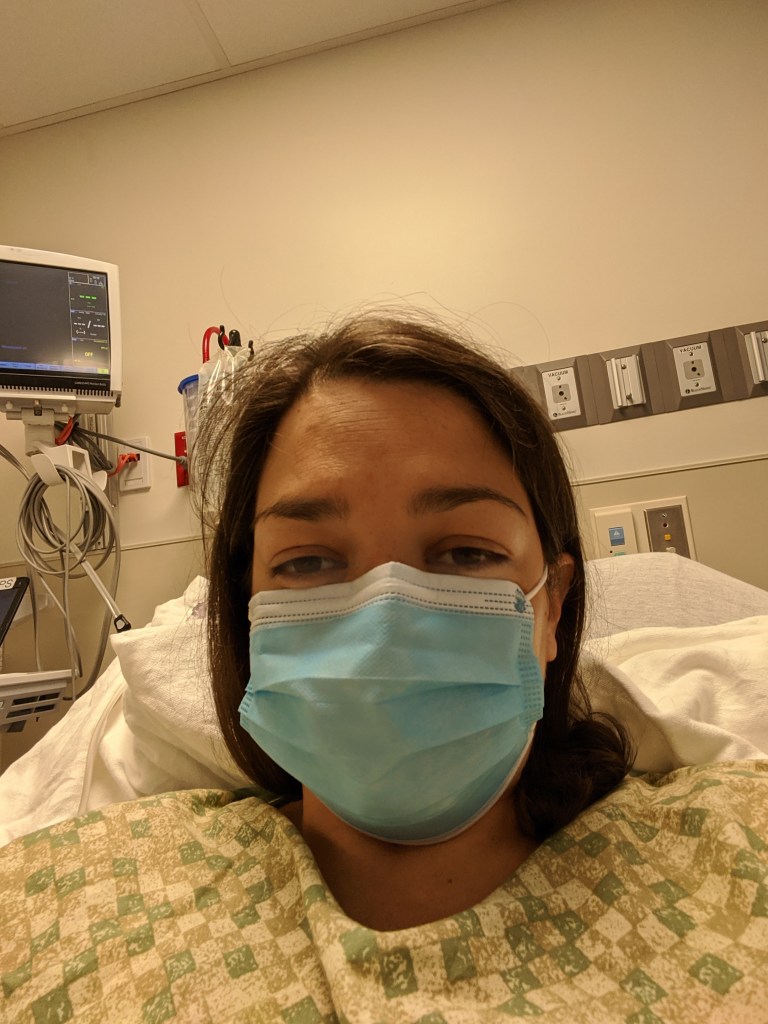
Anyone else feeling fragile these days? I’m with you. If you’d like, why don’t you come into my living room and settle onto the other end of my couch. No need to change out of your comfy clothes — I’m in sweats. The soft, stretchy cotton seems like the perfect hammock for a fragile soul.

So, as you know, I’m a pastor and a spiritual leader in my community. I imagine people expect me to offer words of assurance and encouragement in a season of hardship like a pandemic. It’s not that I don’t have any of those words these days, but I also don’t want to pretend to be more than I am.

I believe it’s very important for leaders to remember they are human and to be honest in every circumstance. Being genuine and open about who we are and how we are at any given moment can be the most assuring and encouraging thing. So today I offer you my weary, droopy self.

How should we be during a global pandemic? Is there a “should” for this kind of thing? No one gave me playbook for this in seminary. I suppose there are some parallels I could draw from scripture for us, but today I’d rather offer the story of my own life, my body, and my heart. Maybe you will find solidarity and comfort there.

I’ve never experienced a compounded season of stress like this in my life. I imagine you haven’t either. Sure, I’ve been through difficult things in my life and I consider myself a fairly resilient person. I’ve matured through the grind of hardship and squalls of grief. But these days, instead of feeling mature and capable of navigating this new challenge, I feel weak and unstable.

Maybe this is what a car accident victim feels like walking for the first time after days in bed. Something as ordinary as walking — something you’ve been doing everyday without thinking about it since you were three-years-old — now feels strange and Herculean. In a bruised and weakened body, even the idea of standing and moving your legs forward and of carrying your own weight, is overwhelming and exhausting.

Everyone will have their own unique pandemic story. Someday we will tell these stories to the younger generations and they will listen, captivated and half-believing, as though the way we lived in these days was more fantasy than reality. And yet we live these strange days — with face masks and gloves, social distancing and stay-at-home orders — as our reality.

My pandemic story starts with a hospital and a wedding. On February 20th in America, news of the coronavirus was still playing in the category of world news. There was a mysterious virus wreaking havoc in a region of China I’d never heard of. I didn’t give it too much thought because my mind was focused on getting married.

Dennis and I had planned an elopement for Saturday, February 22nd. On the night of the 20th, he herniated a disc in his back while standing up from the kitchen table. He spent the next 24 hours in the hospital as the doctors tried to get his pain under control. It took six hours and lots of IV morphine, but they finally got his pain and blood pressure stabilized. (His BP was 199/100 when we arrived at the ER!) Reluctantly, the doctor discharged him Friday night so we could get married the next day. Dennis was adamant that we would have our wedding as planned. I would have married him in his hospital room and drab hospital gown.

Other than Dennis being injured, our wedding was everything we’d hoped it would be. With it being simple and tiny compared to the average wedding, there was no stress. We spent the weekend resting at a beautiful bed and breakfast at the beach. By Tuesday we were both back to work as usual.

Except nothing has been “as usual” since February 20th. Dennis continued to struggle with debilitating back pain as he waited for his surgery scheduled for April. That virus in Wuhan, China spread quickly across the globe. The retirement community where I work quickly phased into a full lock-down in early March. Wearing masks and armed with thermometers, we now daily screen every staff member, essential vendors, and resident for Covid symptoms. All of our in-person programming has been canceled and we’ve had to adapt everything for our in-house broadcast system. My job, which was once vibrantly full of human contact and pastoral care, is now reduced to ministering through live broadcasts of daily morning prayer and Sunday morning chapel.

As the virus covered the globe and grew into a pandemic, Dennis and I had to cancel our full honeymoon that was scheduled for late March. Soon after, we also canceled both our Florida and California wedding receptions planned for May and June. We have no idea if and when we will be able to reschedule those. Though that seems like such a small loss in the midst of such world-wide suffering and grief, it is still a loss for us. It feels like we haven’t had the chance to celebrate our marriage.

Around the time my workplace had a few cases of Covid-19, I started feeling unwell. Knowing my cycle and the symptoms, I took a pregnancy test and it was positive. I took three tests over the course of that week, but my husband wouldn’t believe it was true until it was confirmed by a doctor. I hadn’t found a GP since moving to Florida and no one was taking new patients with the pandemic going on. A local OB agreed to see me when I explained the situation. She confirmed the pregnancy with an ultrasound.

We were so happy to be pregnant. We’d hoped and prayed we would be able to get pregnant one day, but were cautiously optimistic because of our advanced ages. And so there we were, newlyweds, pregnant right away in the middle of a global pandemic, both essential workers (and thankful to be employed), but both exposed to the public everyday, and with Dennis still enduring vicious chronic pain. That is a unique set of stressors in an extraordinarily stressful time.

Dennis has asthma so is in “at risk” category if he were to get the coronavirus. Since it’s a novel virus, almost nothing is known about the risks to pregnant women and their babies. Though healthy and strong, I suddenly felt extremely vulnerable. I love my job and the people I serve, but I didn’t want to go into work and potentially expose myself to the virus and put my husband or baby at risk. It’s been over a decade since I’ve struggled with anxiety, but it was suddenly back again on a totally new level. All I wanted to do was burrow into our safe home and spend time caring for my family.

Dennis assured me everything would be okay. A realist, I knew he couldn’t possible know what the future held, but “everything will be okay” was exactly what I needed to hear every day, several times a day. He held me close every time I felt scared and reminded me of what I already knew — God loves us, God is good, and God is in control of everything, big and small.

So, like the rest of the world, we continued living each day as best we could. We’ve battled the strange fatigue that comes with living the reduced life forced upon us by a pandemic. Thankfully, Dennis was able to transfer to working from home, which brought him some relief from back pain. His surgery was scheduled for April 13th, the day after Easter.

Easter is meant to be the high point of the year for Christians. On Easter we celebrate the resurrection of Jesus from the dead and the fact that his resurrection signals our freedom from slavery to sin and freedom to live eternally in intimate relationship with God. Easter is usually full of extra light and color, flowers and song. But the pandemic made it’s mark on our celebrations too. Our chapel service was still broadcast-only. There was no choir, no lilies, no joyful hugs, and no congregation shouting, “He is risen, indeed!” Though the message of the service and sermon were as hopeful and joyful as ever, it still felt odd. Even Easter was reduced from it’s fullest, brightest expression.

Personally, Easter was full of worry and blood. I got home from our Easter chapel and discovered that I was spotting. That afternoon, as we ate a special Easter dinner, prepared Dennis’ hospital bag for his surgery the next day, and played some games, I continued bleeding. Some spotting is normal in early pregnancy, but mine increased as the day went on, going from a dull brown to a bright red. I knew that at 7 weeks, I was likely miscarrying. Dennis held me as I cried. He slept fitfully that night, as it was hard for him to find a comfortable sleeping position. I didn’t sleep at all. I was in too much pain to sleep, so I spent the night on the couch holding a heating pad to my abdomen.

On Easter Monday we got dressed and headed for the hospital. I was still bleeding. I dropped my husband off at the hospital entrance. Due to the pandemic, I couldn’t go in with him or visit him after surgery. I drove home and called to make an appointment with my OB. Just before the doctor examined me, as I lay on the table in the ultrasound room, I got the call from the hospital that Dennis was out of surgery and doing well. Moments later, the ultrasound confirmed what I already knew — I was having a miscarriage.

I went home to an empty house where I wept and cried out for my husband. Though there are many people I could have called to come be with me, Dennis was the only person I wanted. I wept with relief that he was okay, and I wept with grief knowing that when we spoke on the phone that afternoon, I would have to tell him that we’d lost our baby.

We were separated for about 32 hours. I picked Dennis up from the hospital and drove us toward the pharmacy where we would get his prescriptions. He took off his gloves and used sanitizer so he could hold my hand. I drove and wept and managed to stay on the road only because my husband was finally holding my hand and telling me how much he loved me. We got home and just held each other and cried.

The past two weeks have been difficult. Dennis’ physical recovery is slow and painful. I’m doing the best I can to care for him even as I am recovering myself. I’ve had many friends who have told me about their own miscarriages, but no one told me how physically painful and depleting a miscarriage could be. I took a few days off of work to care for Dennis and to let my own body heal. I’ve since returned to work, but have yet to regain my energy or even the desire to do the job I love.

The past two months have brought stress upon stress upon stress. And the pandemic has brought wave upon wave of loss — big and small. I never thought much about what our newlywed story would be, but never in any daydream did it contain a herniated disc, 2 hospitalizations, a major surgery, a pregnancy and a miscarriage — all in the middle of a global pandemic. So, understandably, I’m feeling fragile.

My experiences have woken me up to the reality that though we are all enduring the large-scale losses and grief of the pandemic, we are all still living our individual lives and potentially enduring personal losses and grief, big and small. We’ve lost happy plans, jobs, time with friends and family, graduations, businesses, financial security… It seems like that list could go on forever and cover such a broad range of losses, and that’s heartbreaking.

I’m sure many of you have suffered losses that have been eclipsed by the constantly grating news of the pandemic. You might be keeping your losses private and I understand your need or desire to do that. I considered keeping our miscarriage private, but ultimately, I thought I would share about it so others who are suffering right now might not feel so alone.

Whatever thoughts and feelings are plaguing you, my friend, you aren’t alone. Your suffering is real. It doesn’t matter how your loss compares to the pandemic or to someone else’s loss. Comparison is fruitless in the midst of grief. Big or small, your loss is real and it hurts you and that matters. Please, please know that what you are feeling is okay to feel, and please take care of yourself.

I hope you have someone who will hold you like my Dennis holds me. Even when I feel like I could shatter in moments of acute grief, his arms and words remind me that I will be okay.

We will be okay. That doesn’t mean that we won’t experience hardship or illness, loss or grief. It just means that we will not lose everything. We have not lost everything even when a single loss is so overwhelming that it makes us feel like we’ve lost everything.

I need to remember that there is still so much life to my life. I may not feel very good physically or emotionally. Each day feels tethered to a new, unpredictable tide. But I am still living. I am still deeply loved. I know that the frayed pieces of my life will mend, my body will heal, the pandemic will end, and I will be okay.

We will be okay.

I get up and meet each day as it is. Some days, like today, have been filled with tears and exhaustion, despite getting a full night of sleep. Other days seem normal — so normal that I forget there is a global pandemic and that I lost a baby — because the sun is shining so beautifully and my husband can always make me laugh. I’m doing my best to give myself heaping doses of grace when I feel overwhelmed emotionally, and when I feel guilty because I feel good. (That’s going to make sense to some of you.)

So if you are feeling fragile these days, you are in good company. It’s not just me sitting with you on The Couch of Pandemic Loss and Weariness. There’s probably a million sisters and brothers in this club. We are all just one story away from finding each other and from getting through one more day.

Please, if you need to, reach out to someone who loves you and share your story. I pray you will be met with wave upon wave of understanding, love, and grace.

You are not alone. You are loved.

Love,
Corrie


It Is Finished

John 19:30 — When he had received the drink, Jesus said, “It is finished.”

I’d never been so relieved, so exhausted, so exhilarated, and in so much pain at the same time. Night had fallen, and I sat weeping at a campfire deep in the woods of Central Pennsylvania. This was at the end of a 10-hour day of steep hiking into and out of a valley. 

At the campfire, I was surrounded by 11 of my colleagues from the college where we worked. Our boss had decided that a 5-day, off-the-grid, backpacking trip would be a great team-bonding exercise to get us ready for the new academic year. I never would have chosen this kind of “adventure” for myself. I’m a self-proclaimed “indoorsy” person. Though I enjoy exercising outside every day, hiking and camping are among the last things I would choose to do for fun or for bonding. 

I wept at that campfire, not because I was afraid of the dark, or of spiders, or of having to go to the bathroom in the woods, but because I had been hiking all day with a 60 pound pack on my back. I’d had low-back pain for a few months, but by the time of our trip, I hadn’t yet seen a specialist for diagnosis. What I didn’t know is that I was hiking with a herniated disc. What I did know was the constant, fiery pain in my low back and my hips that often shot down my right leg like a lightning strike. 

As we hiked down, down into a deep valley that first day, all I could think about was that hours going down eventually means hours going up. And I was right. After a short break for lunch, we began a grueling 4-hour ascent out of the valley. When you ascend, you naturally shift your center of gravity forward. Unfortunately for me, that shift put even more pressure on the injured disc, and my pain intensified. 

That 4-hour ascent was the most painful experience of my life to-date. I couldn’t catch hold of any positive perspective because the pain was so intense. Tears slipped down my cheeks and soaked my shirt as I put one foot in front of the other. 

Looking up at the horizon brought no comfort because I couldn’t ignore the never-ending hill that I still had to climb. I knew I would survive the hike, of course, but that thought evaporated like a mirage when compared to the pain I knew I must endure first. So when we finally made it out of that valley, made camp, and gathered in front of the campfire, I collapsed — physically and emotionally. 

It was finished. I never had to enter, endure, and overcome that valley of pain again! I was so deeply relieved that I cried for a good hour. (It’s a wonder I had any tears left!) As I cried, I processed so many thoughts and emotions.

I was grateful for, and surprised by, the grit and physical fortitude I used to hike out. At the same time, I was keenly aware of the fragility and weariness of my body. I confess, I was resentful of my boss for forcing this adventure on us. And I was disappointed in myself for not saying “no” to this backpacking trip in the first place — when would I finally learn to speak up for legitimate personal needs, instead of sacrificing my own wellness because I don’t want to ruin things for others? 

Even as all these things filtered through my exhausted brain, the pain continued to throb and disturb my relief. The worst of the hike was finished, but residual pain would continue. I still had a few more days of walking to get out of those woods. Relief, pain, and resolve were always churning within me. Perhaps it’s that very mix that helped me hang on until we were out of the woods entirely.


No human experience can ever truly compare to the excruciating weight that Jesus bore on the cross. I know hiking with a herniated disc is almost nothing compared to the physical pain of crucifixion, or the emotional strain of the task set before Jesus. My task and my pain were but a slight hint of Jesus’ task and his intense physical and emotional suffering. But even a hint can be a beginning.

To grasp the meaning in Jesus’ words, “It is finished” we must do the mental work of going back and answering the question, “What?” What was finished as Jesus hung on the cross? And, what might he have been feeling and thinking that led him to say, “It is finished”? We can only begin to understand those things when we remind ourselves of the task he was given.

We remember that the first time Jesus stood up to preach in his hometown synagogue, he read these words from the Prophet Isaiah: “The Spirit of the Lord is on me, because he has anointed me to proclaim good news to the poor. He has sent me to proclaim freedom for the prisoners and recovery of sight for the blind, to set the oppressed free, to proclaim the year of the Lord’s favor.” (Lk 4:18-19)

All along, Jesus made his mission very clear. How many times did he say the phrase “I have come” in his public ministry?! We hear him proclaim his mission throughout the gospels using this phrase repeatedly. Here are a few examples:

  • I have come to fulfill the law and the prophets (Mt 5:17)
  • I have come to call sinners to repentance (Lk 5:32)
  • I have come to seek and save the lost. (Luke 19:10)
  • I have come down from heaven, in the Father’s name, to do the Father’s will (Jn 5:43, 6:38)
  • I have come to bring judgement so that the blind will see (Jn 9:39)
  • I have come into the world as a light, so that no one who believes in me should stay in darkness (Jn 12:46)

Jesus taught about a kingdom of heaven that was coming, and had come. This kingdom is a way of living that is based not on societal hierarchies and power struggles, but on a foundation of love, mercy, justice, forgiveness, and generous service to others. 

And as we read the stories of the gospels — as we see Jesus heal sick and broken bodies, as he casts out demons, as he shows love and compassion for the outcasts, the untouchables, and for the undervalued — we see him be true to his mission and exemplify the nature of his Father’s kingdom. 

Jesus came to earth on a holy, heavenly mission. He inaugurated his Father’s kingdom on earth through his teaching, his actions, and ultimately, by sacrificing his life on the cross. Only then, could Jesus say, “It is finished.”  

Jesus once said to his disciples, “My food is to do the will of him who sent me and to finish his work.” (Jn 4:34) As Jesus prays to the Father in John 17, he acknowledges that he has “brought [the Father] glory on earth by finishing” the work he was given to do. 

“It is finished.” In these words, in these moments, the awesome fortitude of Jesus is unveiled to us. 

Jesus endured the emotional pain of Judas’ betrayal; the swift abandonment by his other disciples when he was arrested; and the harsh rejection of the Jewish people he came to call back to his Father. 

He endured the pain of unjust accusations; of public ridicule from a crowd of the self-righteous calling for his death; and the humiliation of being stripped of his clothes and forced to walk the streets of the city on carrying the very tool that would kill him. 

Jesus endured the varied physical abuses done by the Roman soldiers and then the pain of gradual suffocation that comes with crucifixion. 

Jesus suffered all this pain because he was dedicated to, and focused on, the end — the ultimate goal. He knew that only his death would fully show the world how much he, and his Father, loved. Dying for the sake of others is the ultimate show of love. If the people didn’t believe after seeing Jesus bravely move toward the cross and endure it’s pain, then they never would believe.

Maybe it was a mix of relief, pain, and resolve churning in Jesus as he hung on the cross. Perhaps it’s that very mix that helped him endure such unthinkable suffering. All this, so that we too might know the freedom and joy of a life lived with him in the Kingdom of God.

“…Jesus said, ‘It is finished.’ With that, he bowed his head and gave up his spirit.”

I’ve never been so relieved, so exhausted, so exhilarated, and in so much pain at the same time. Thank you, Lord, for what you finished for us. Amen.


My Beautiful, Wonderful, Upside-down Wedding

On February 22 of 2019, I met a man named Dennis at the birthday dinner of a mutual friend. We got to know each other over the summer and our first official date was September 22. We got engaged exactly two months later on November 22, and married on February 22, 2020, the one year anniversary of the day we met. Apparently 22 is our number.

IMG_5133

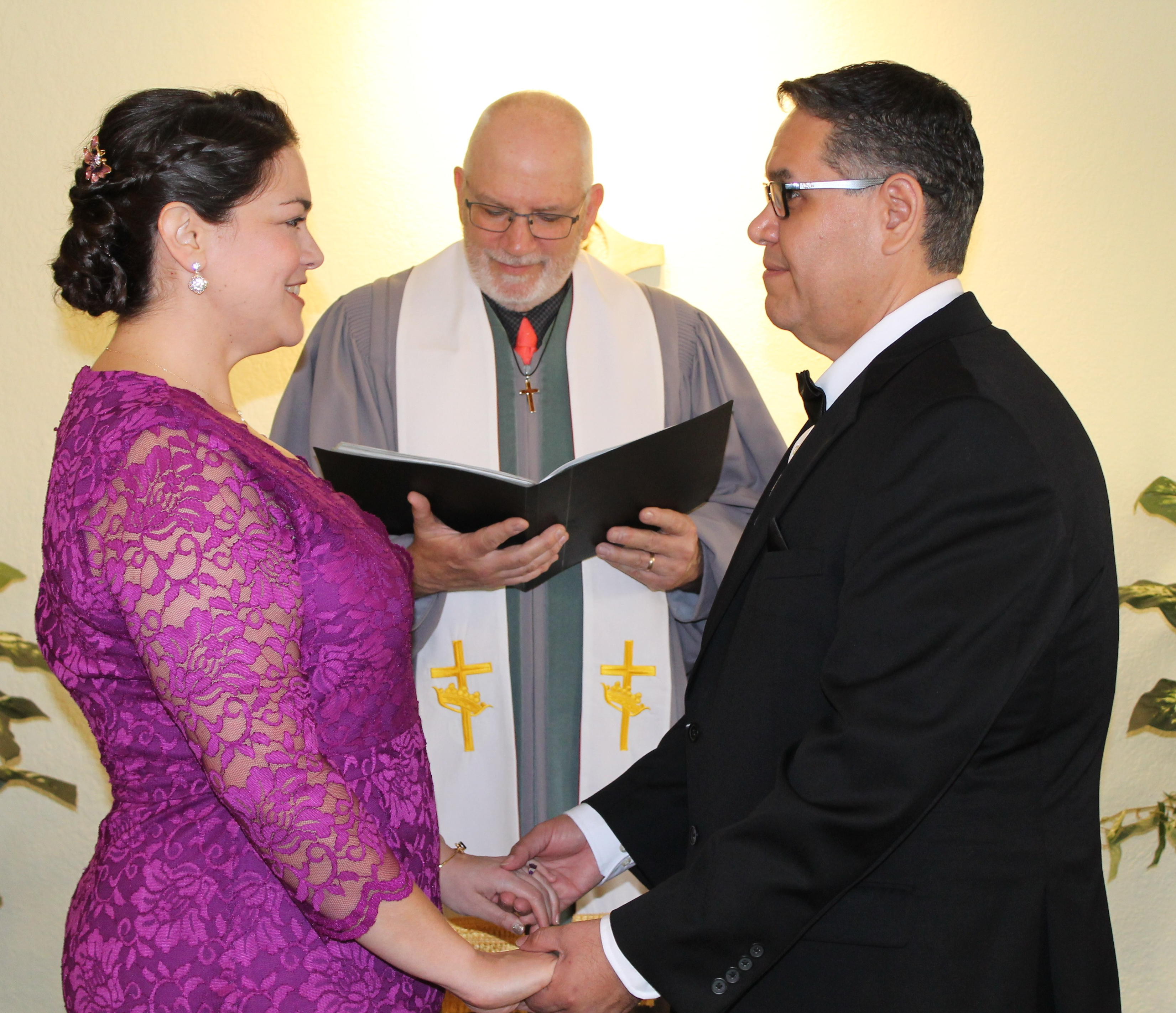
We said our vows on 02-22-20.

I’m sure that sounds fast to a lot of people. Sometimes it feels fast to us too. But every time my husband and I reflect on our relationship, the timeline is not nearly as important as the feelings of safety, contentment, and rightness that we have together.

When we started thinking about getting married, about the actual wedding I mean, I had a lot of well-formulated opinions to share with Dennis. After all, I’ve been a part of many weddings of friends and family in the past 20 years and I’m also a pastor who officiates weddings. Even though I didn’t think I would get married, I had built a pretty firm list of do’s and don’ts over the years.

For my own wedding, I didn’t want the stress, possible drama, expense, or delay of planning something traditional. I’ve watched even the most level-headed friends go haywire over wedding details like color schemes, party favors, invitations, and seating arrangements. Those things have no lasting meaning; they are just the trappings of an event. In our society it seems that the event of a wedding has eclipsed the purpose of the wedding — to begin and celebrate a marriage.

One of the reasons why I love Dennis is that he highly values friendship. I do too. To both of us, friends are family. So when we talked about having any sort of traditional wedding the numbers overwhelmed me. We could have easily invited 600 people to our wedding. Dennis’ people are all here in South Florida, but mine are all over North America.

Weddings with modest guests lists can come with a hefty price tag, even when you don’t serve a full meal at the reception. So it seemed that our options would be to:

  1. Blow a budget on a wedding with all our friends and family and set the date 8+ months out so my guests would have time and money to make travel plans, OR
  2. Do an inexpensive, private elopement, and later find creative ways to celebrate with all our loved ones

After doing some quick online research, I learned that the average cost for a wedding in America in 2019 was $33,900. American brides spend on average $1600 on their dress, plus an additional $250 on accessories. I’m a pretty practical woman. Those numbers are NAUSEATING to me. And as a follower of Jesus, I often question if the cost of modern weddings is morally defensible, even if you have that kind of money to spend.

Rather than spending months saving and spending money on a traditional wedding, I’d rather save money for a house, pay off school debt, travel with Dennis, and simply start our lives together sooner. So I pitched the idea of eloping to Dennis and he liked it. In fact, all of December he kept saying to me, “let’s just get married now.”

When I thought about what I wanted our wedding to be, a few things were very important to me. Overall, I wanted the ceremony to be spiritually-focused. I also wanted it to be a reflection of who we are and what we value. Authenticity is very important to both Dennis and I. So that meant not getting entangled by tradition or swayed by other people’s expectations of what we should do or what a wedding should be.

And that’s why you see me in a purple dress. Purple is one of my favorite colors, and bright colors have always felt more joyful and celebratory to me than white. I knew I wouldn’t feel like myself in any kind of white gown, so I never looked at one.

I wanted the ceremony to be thoughtful and meaningful, but not stiff or too formal since Dennis and I are very casual, fun-loving people. After working with couples who treated vows like an afterthought (with one couple even asking me to pick their vows for them!), we decided to write vows that are meaningful to us.

We read a bunch of vows. Over the course of a few weeks, we talked about the style of language we prefer, the meaning we wanted to convey, what we hope for our relationship, what we need from each other in order to thrive, etc. We wove together vows by borrowing phrases or lines from other sources, but also writing lines that are completely original. Here are our completed vows:

I, take you Dennis/Corrie, to be my husband/wife, and these things I promise you:
I will always be a safe haven for you.
I will consistently show you patience and tenderness.
I will be honest with you.
I will forgive you as we have been forgiven by God.
I will not only be a wife/husband, but a helper, friend, and guide
so that you will be able to meet life’s joys and challenges
knowing that I stand by your side for the rest of your life.

We are so pleased with how our wedding turned out. It was simple. Beautiful. Meaningful. Intimate. Relaxed. There was so little “event” stress that we were able to focus on each other, the words that were said, and the vows we made before God. While we couldn’t share those moments with everyone we love, we have video and pictures that we can share.

I’m also glad that the wedding was not a financial burden or stressor. Our wedding expenses were a fraction of the average American wedding, and our total included both of our outfits, all our accessories, our wedding dinner, and airfare for one of our witnesses. My dress was on clearance for $37. It was vibrant and made me feel beautiful.

We approached our wedding by reworking everything we’d heard and observed about weddings. We tossed out the typical wedding playbook. We refused to be steered by the demands of the wedding industry. And while we heard the opinions and navigated the expectations of others (and believe me, there were MANY opinions), we didn’t let them control us. We knew we could never please or appease everybody in our lives, so we didn’t enter the game. Instead, we turned everything upside-down and focused on pleasing God and ourselves.

By doing those things, we created a wedding experience that freed us to focus on what is meaningful and lasting. To us, this was right and good. Ultimately, our wedding ceremony was a great foundation for our marriage. It was a foreshadowing, I hope, of the unity and peace that we will share for the rest of our lives. And I think, when it comes to weddings, that’s what really matters.

IMG_5196

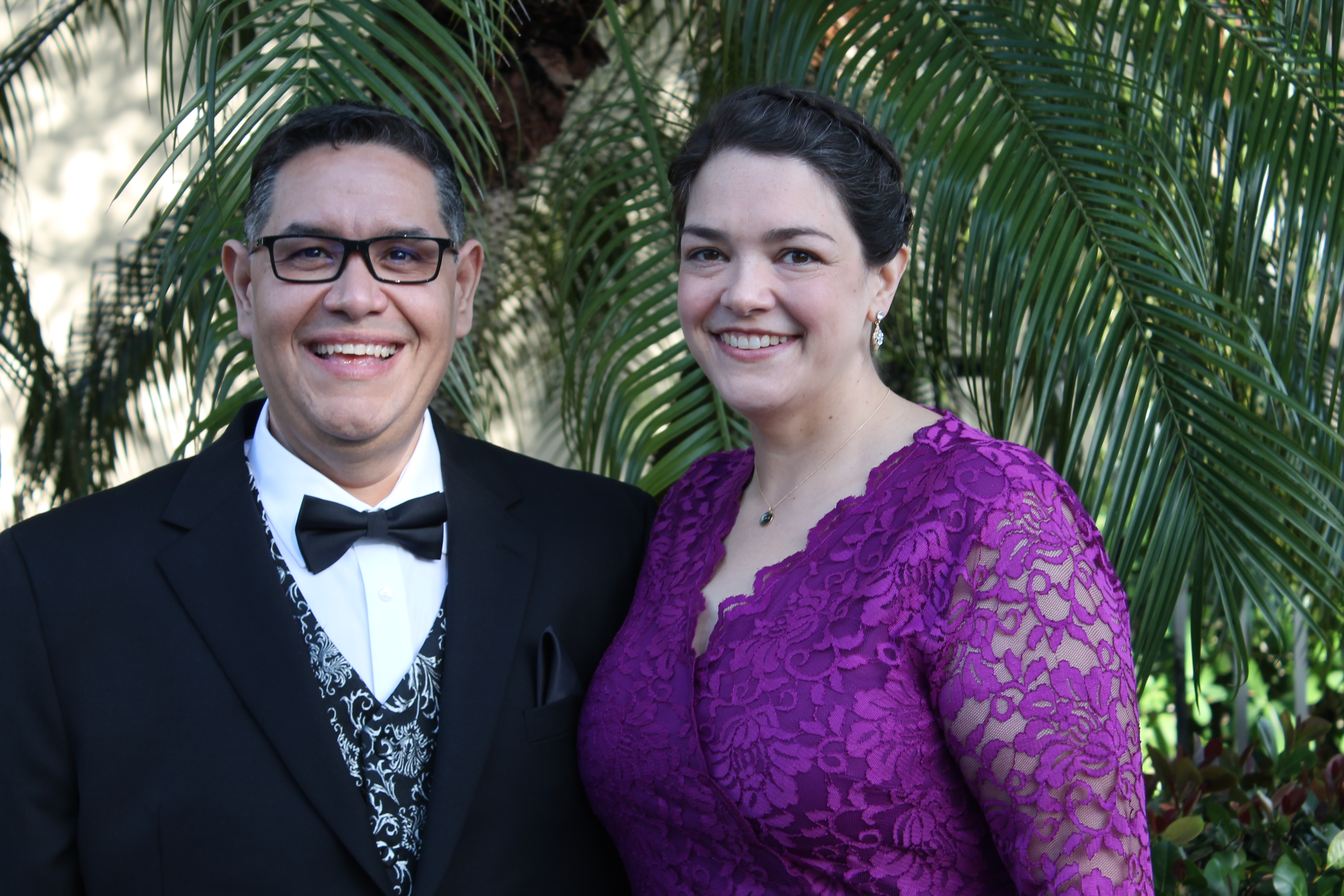
Mr. & Mrs. Montoya


Why Is Everyone So Afraid of Flowers? Some Unmorbid Thoughts on Death.

A strange thing happened today. As I was moving three floral arrangements around the campus of the retirement community where I work, several people told me not to leave them where I intended. The flowers were cheerful, aromatic, and gorgeously arranged so it was strange to me that no one wanted them. When I asked what the rejection was about, the message was clear every time. “They are funeral flowers!”

Well, yes. They are. They were delivered to our campus for the memorial of a beloved resident who died. Her daughters asked if I would take them from our chapel — which isn’t used much during the week — to locations in the main lobby, skilled nursing, and assisted living units. They wanted the residents to enjoy the beautiful arrangements made in honor of their beautiful mother. What a lovely idea and kind gesture. Or so I thought.

funeral flowers

I was busy catching up on emails and admin tasks when my colleague Brad arrived for the day. He said, “What is your plan for the flowers in the rotunda?” To which I replied that the rotunda was my plan, as it gets a lot of traffic and more people would see the flowers there. He then told me the sales director wanted them moved ASAP because funeral flowers don’t send the right message when someone walks in our doors for a tour.

As a side note: our company’s new motto is Live with Promise. We recently rebranded and took away the word “retirement” from our community, replacing it with the word “living.” Apparently the word retirement carries the stigma of being put away, and a retirement community is a place you go to die. So now we only live.

I got a handcart for the other two arrangements and pushed them across the campus toward our skilled nursing and assisted living units. As I got off the elevator for assisted living, one of the staff asked hostilely, “Where are you going with those?” I told her I was going to place them in the lobby to be enjoyed by the residents and guests. She told me I wasn’t going to do that because the residents don’t like them. Though I’m not sure if she was really speaking for the residents or for herself, she said they don’t like to be reminded about death. I tried to engage her in conversation about this, but she deflected, so we compromised about the flowers. She would take the arrangement to her office, dismantle it, and make new, smaller arrangements that wouldn’t scream funeral!

Later, I ate lunch on the screened patio by the pool. (It’s one of the few public places where employees can eat their lunch.) As I took my seat, I noticed that the large arrangement from the rotunda had been moved to the porch. Now it was in a place where maybe 20 people would see it in a day, and with the Florida humidity, the flowers will wilt by tomorrow. A coworker came out to join me for lunch and hesitated as she approached my table. Looking at the blooms behind me, she said, “I don’t know if I can eat here. I don’t like seeing those flowers.” This staff person has worked at our retirement community for over a decade.

I have to remind myself that not everyone has had as much exposure to dying and death as I have as a pastor and chaplain. And I need to remember that even those who work regularly with the dying, like medical professionals, are often uncomfortable and superstitious around death. And I know that talking about death and even thinking about death makes many people uncomfortable. So I’ll try to moderate myself a bit as I write on…

Today’s experiences with the flowers reminded me just how guarded our culture is about death. Maybe shrouded is a better word than guarded. It’s like we are trying to put curtains up between us and the reality of death. As though a flimsy sheet could erase the reality altogether. This guarding happens even in places like retirement communities and hospitals where death is frequent.

Frankly, if my career has taught me anything, it’s that death is much easier to face when faced directly. When it’s called death instead of “passing away” or “expiring.” And I believe it’s much easier to face our own mortality when we talk about death like it is normal and common. Because it is normal and common.

Try this small exercise. Pause from reading this post and say, “I am going to die.” Let that sentence hover in the silence around you. Give it a good minute. Then maybe say it again. Say it out loud and slowly.

How did that feel? What are you feeling? And more importantly, why do you think saying that simple, direct, and true sentence makes you feel the way you do?

I remember the moment I consciously stumbled upon and accepted my own mortality. I was a chaplain intern at a large hospital. The chief pathologist invited any chaplain who was interested to view an autopsy. Call me crazy, but I rushed to put my name at the top of the list. I’d always been curious about and fascinated by the body. I wondered how all of the organs that I read about in my science books could fit inside a body. And, did they swish around in some kind of goo? Or, were they floating in air, doing some kind of delicate dance, not touching one another?

So I got to see a full autopsy — one where they not only emptied the chest cavity, they even extracted the brain. The process was clinical and methodical but not at all cold. The doctors showed great respect for the body out of respect for the person who had lived in it. As they removed organ after organ and took samples from each, I remember this moment when I said inside my head, “I’m going to die.”

In that moment I got the chills. That sentence zinged out of my head, shot down into my heart, and then reverberated throughout my own torso, plunging down into my toes. I may have shook a bit on my stool because the doctor turned and asked if I was okay.

“Yes,” I replied, “I’m okay.” And I was. Facing the reality of my death was, literally, breath-taking. Startling. A little bit scary. Very humbling. And more settling than I can explain.

Staring at the empty chest cavity of a human body — a body that once housed a living, breathing, vibrant woman, and then realizing that my body would one day be empty of my personality, my breath, my being — I was rattled but then settled. I faced the fact that I would die. It would be real. People would have to deal with the loss of me. I might experience pain while dying, but it also might be over before I even know what’s happening. I will die. I can’t control that because it is simply a truth. Death is natural. It is normal. It is common. It will be part of my story just as it is part of every human’s story that ever was.

I understand the fear. The resistance to and avoidance of the topic. The attempts to distance ourselves from the reality of death, foolish and unhelpful though they may be. I understand it, but I wish this wasn’t our way. I wish more of us used the words death, dying, dead, and died rather than vague and prettied euphemisms. Because death is. And denial and euphemisms don’t help us manage-well all the living, dying, and grieving that we do on a daily basis.

If you are still with me, there is good news here too. Dying and death can be the most beautiful days, hours, and moments you could ever know.

As a chaplain, I’ve supported hundreds of people in the long and short times preceding death. Many of them are afraid, but not about the impending reality of their death, or even the finality of death. They fear the not knowing of those paper-thin moments between life and death. At the very end, what will they be aware of? What will they feel? Will there be pain?

Beyond this fear, there is usually calm, peace, and a lot of rest and sleep. And here is where the beauty arrives. When people stop denying, fighting, or cushioning themselves from death — when they face death, speak it aloud, and accept it — then they are able to relax deeply into the moments that remain.

Dying people who accept their dying cherish more. Their senses are heightened because they know they have precious little time left to smell the roses, to feel the smoothness of your hand in theirs, to float pleasantly along the chords of their favorite music. They want to spend time with their loved ones. They want to tell their stories. They want you to feel comfortable around them and treat them with the same love, respect, and dignity that you showed them before you knew they were dying. They are still the same person, it’s just that their body is dying.

Spending time with people who are dying and their loved ones has been one of the greatest honors of my life. It’s pure time, like when you hold a sleeping newborn and feel their rhythmic breathing and perfect skin. Or when you sit at the park on a comfortably sunny day and simply take in the breeze and the sounds of children playing. Or when you are flying in an airplane and it’s all weightlessness and white noise and the view out the window is cotton ball clouds over soft blue skies. These pure times are meant to be taken in. To be held. To be breathed. They are a holy pause that we store and remember later when the grief comes.

When you spend time with people who are dying, all the stupidity of life falls away. No one cares about celebrity gossip or small town gossip, what kind of car you drive or who has gained a few too many pounds. They focus on what is true, what is important, and what is enduring. It’s time full of phrases like, I love you. Do you remember the time… Thank you for… I want you to know… I’m sorry for…

There is time and space for laughter, tears, warm hugs, hand-holding, singing, reminiscing, and for peacefully spinning dreams that may never happen.

Yes, there are instances near death when modern medicine cannot overpower the pain of disease and that is difficult to witness. But the vast majority of deaths I’ve attended have been quiet and calm with minimal pain. And most of these deaths have been peaceful times saturated with the sacredness of life and wreathed with the beauty of love.

I wish we would not fear death — the reality or the word.

I wish today’s flowers were colorful, happy reminders of a kind and contented woman who we shared life with, rather than funeral flowers that pricked us into depression or made us recoil.

I wish more people had the courage to be uncomfortable and use straight talk about death. I think it would be kinder and more helpful for our own acceptance and well-being.

Death won’t come faster just because we speak of it. But if we are able to think and speak of death with a calm, no-nonsense manner, we will be better able to live our lives to the fullest, to live with promise, and to breathe deeply of the roses.


Letting Go Of A Dream

Letting Go Of A Dream

Have you ever found yourself facing the unfulfilled end of a long-held, soul-rooted dream? That’s what I’ve been doing for the past year. Specifically, I’ve been wrestling with my unfulfilled dream to be a mom. It seems divinely appointed that I come to let this dream go during the season of Lent. I’m comforted in the fact that I am not the first one to make a difficult sacrifice.

There’s a lot of quiet in my life, especially in the evenings. I’m a homebody who doesn’t often fill my free hours with the noise and distraction of TV. The more quiet you allow in your life, it seems the less you are able to avoid what’s happening in your heart.

In my evenings this past year, I’ve faced the aching reality of the loss of my foster daughter, the disintegration of my hope to adopt, and with them, the collapse of my dream to be a mom. God, it’s been painful! And so important.

All the wrestling has allowed me to get to a place of resolution. I know I need to leave this dream behind, and I’m ready to, but it won’t be easy because wanting to be a mom is such a big, beautiful dream.

When I was a young girl thinking of my future, I always pictured myself as a mom. In fact, I never imagined a future in which mothering wasn’t a main feature of my story. If you asked me at ages 8, 11, and 14 what I wanted to be when I grew up, I would have told you quite sincerely that I wanted to be a mom. That’s it. Just a mom.

with baby Katie Crossman

That’s me as a tween with my baby cousin Katie

Everything about me being a mom makes sense. Children delight me. How other people get embarrassingly enthusiastic about sports, gush over classic cars, or blather about their favorite video game — that’s how I get about spending time with kids.

Anytime I get to snuggle a baby, I call it therapy; it fills me to the brim with joy. One of my favorite activities is to read aloud to kids, especially if I can jazz up the stories with fun accents. When I was a pastor at a large church, parents would often pass me their kids while they dashed off to use the restroom, grab coffee, or have adult conversation. Sure, it’s a sign that I’m trustworthy, but these parents also knew I would enjoy hanging out with their kids and would never find it an inconvenience.

I’ve been caring for other people’s kids since I was a kid. I was the youngest nursery worker at our church, drafted when I was just 11. In my early teen years, I spent more time minding the neighbor kids on weekends than their parents did.

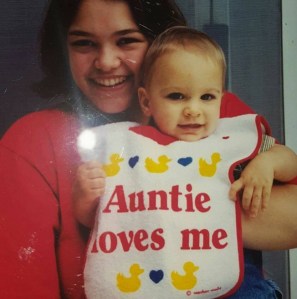
auntie loves me

Looking back at my life, I realize that I’ve been mothering all along. I care deeply for my nieces and nephews and for my friends’ kids. They all call me Aunt Coco.

It matters to me the kind of influence I have on the children in my life. The kind of love and affirmation I give them. The fact that I can teach them to laugh loudly, to be caring and empathetic, to be courageous and adventurous, and most of all, to be kind to themselves.

Yes, I was a foster mom — and that is being a mother in the fullest sense of the word — but it was temporary. I had hoped fostering would lead to adoption. For years, I made choices and sacrifices to make that dream a reality. Fostering exposed my depths and limitations, and taught me exactly what it takes to be a single parent of a child who has experienced trauma. I discovered that I don’t have the emotional reserves to do ministry professionally only to come home and do even more intense ministry at home. So, after a lot of prayer, reflection, and conversation with trusted friends, I’ve concluded that it’s best to turn away from this option.

“But Corrie,” you might say, “you aren’t decrepit! You are still young enough to have your own child.” And yes, while it’s technically true that I’m still of “childbearing age,” I’m also well into what they call “advanced maternal age,” which comes with its own catalog of risks. There’s no guarantee that I’ll marry, and even if I did, that my spouse would want kids, or that my reproductive system works. Sure, there are medically-assisted ways to become a mother, and paths to adoption other than the foster system, but those aren’t things I can or want to pursue.

Rejected options, dead ends, and diminishing paths brought me to a place of wrestling. I’ve asked myself, God, the world — what options remain? What more am I willing to give or to sacrifice to realize this dream? How far, and for how long, am I willing to stretch the endurance of my soul in pursuit of being a mom?

There is a cost to our souls when we pursue our dreams.

Think of athletes who, for years, train their bodies and minds toward the achievement of a big dream: complete a ultra-marathon, swim the English Channel, break a record, win a medal, summit Everest, be named among The Greats. Imagine all of the time, money, energy, and heart, not to mention the injuries and rehabilitation they likely put into reaching their goal. We understand that in order to reach these big dreams, training becomes their job, almost their whole lives.

Big life dreams can become too big, larger than life. Sometimes what they require of us becomes unsustainable and we crumble under the weight. Or, our dreams can grow too big too fast, spreading like weeds, choking the other sources of life that surround us. Dreams can deplete us. Constant striving, all this emphasis on pushing ourselves, can cause injury and damage to our bodies, our minds, and our spirits.

The danger of big dreams is that they can eclipse everything else about us. We can get lost in them.

If a dream, and your journey towards it, becomes your largest identity marker, what will you do after you’ve achieved your dream?

Or, what would happen if somehow your dream was suddenly taken away from you? Imagine there is some circumstance beyond your control and you can no longer go for your dream. What would you do then?

Reaching these craggy, shadowed places means grappling with these questions:

Who am I without this dream?
What will I suffer if I lose this dream?
How will I cope?
How will I grieve?
What will it look like to recover?
How will I rediscover who I am beyond my dream?
How will I detangle myself from its tentacles?
And once I do, will I like the me that remains?

There is a cost to our dreams.

I have a friend that got married much later in life. We lived in the same town for a few years when she was still single and I learned very quickly that her greatest dream was to be married. Wherever we went, whatever we were doing, she would talk about this dream.

Now, there’s nothing wrong with wanting to get married and looking forward to married life, but I often felt a little concerned for her. When we would meet up to go out she would talk about how long it took her to choose her outfit or how presentable she was because, she would say, “you never know when and where you will meet your spouse.”

My friend lived with such laser-focused hope — she was so some-day-focused, so saturated by her dream — that she seemed to devalue herself in the present. She lived leaning forward, always in a state of wanting something else, wanting more, always waiting. She was waiting for marriage to fill out her life, to define or redefine her, but she didn’t seem to realize that she was already well-defined.

There is a cost to our dreams.

I’m grateful for my life as it is and as it has been. Frankly, it’s been downright gorgeous: a vibrantly bloomed garden of rich relationships and experiences. There is such deep value in being a daughter, a sister, an aunt, a cousin, a friend, and a pastor. I am completely fulfilled by these things. I’m in no way less than, nor lacking in dignity or maturity, because I am unmarried and childless. I faced those demons of insecurity a decade ago. I just also hoped to have a child to call my own and to love for life.

63396_10153035211031033_4690035403601447972_n

With my nephews and nieces in 2015

Being a mother, getting delightfully messy in the art of mothering, is a dream I cherished for so long. But now, for my heart health, for the good of my soul — to live as fully and freely as possible into the me that I am right here and now — I need to let go of this dream.

I’ll keep mothering as Aunt Coco. I’ll keep rocking babies, reading stories, coloring with crayons, playing in parks, and showing up to soccer games. But to my dream to be mom, I’m saying goodbye. To this dream, I say:

You are a beautiful dream, so worthy of having been dreamed.

You made me a better person because, for years, you stretched me toward a very good thing. You helped me be optimistic as I imagined and believed that I would one day care for a child.

You taught me to be brave, because bravery is exactly what I needed to follow the call to foster as a single parent — a scary, and some would say, crazy idea. You taught me patience as I waited years before the time was right to foster. You taught me to pray boldly for a two bedroom home I could afford. Through that long-shot prayer, you showed me that miracles do happen; you expanded my faith. And for six months, you gave me a precious soul to nurture.

I gave you my whole heart, and I am so thankful I did.

But now, dear dream, I’m going to let you go. I set you aside with warm and sincere gratitude, so I can focus on being exactly who I am, as I am.

Thank you. You are good and you blessed me.

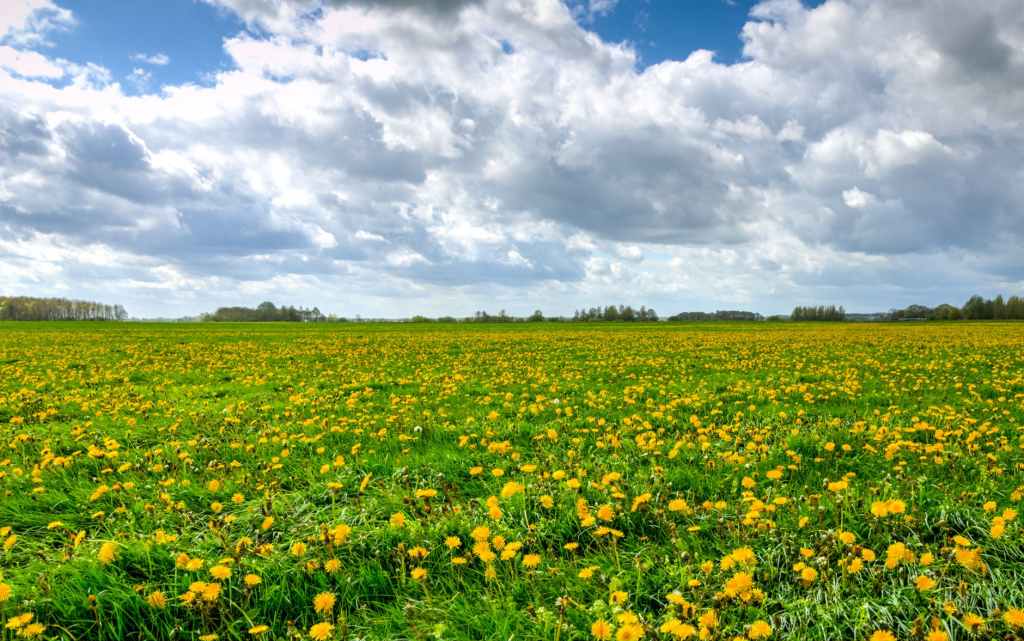
dandelion lawn

I read on a gardening website that dandelions, if left undisturbed, can grow roots 15 feet deep. I guess that’s why, when you yank them and only break their stems, a new flower sprouts quickly in the same place.

My hope to be a mom was rooted as deeply as a dandelion, but I want the freedom to plant something else in its place. So, I had to dig deep and extract this dream at its root.

I haven’t made this decision lightly, or as an escape from my pain. I’ve wrestled with it. I’ve waded through the pain to get to this place. I’ve cried confused tears, angry tears, and sorrowful tears. I’ve prayed confused, lamenting, and sorrowful prayers. All this has tumbled around in me and finally settled in my soul.

The pain, angst, and grief have loosened and fallen away. Now there is relief and a welcome peace. Yes, there’s still occasional sadness. There probably will be for years. But I imagine the sadness will fade and transform into a simple, cherished memory of a sweet dream.

I’m okay to let my dream go. I’m ready. I will be healthy and happy without being a mom the way that I hoped. I already am.

Now, my prayers have turned to hope for new, unimagined, good things.

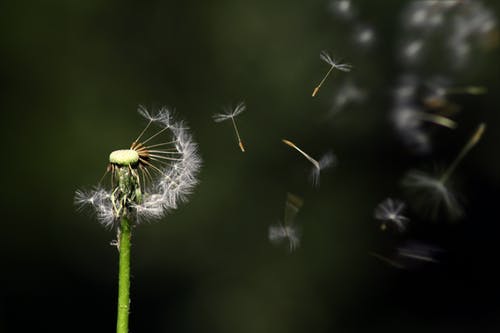
Dandelions are prolific. It’s part of their design. They easily spread themselves around until they blanket our lawns with their cheerful yellow caps. But I think they are at their most beautiful when they’ve transformed into seed heads. One yellow flower can produce up to 170 seeds. Those delicate white parachutes gracefully dance away on the breeze, off to spread their cheer in new places. They fall on new ground, shoot out new roots, and spring up into new life.

Dreams, when given away, allow for the birth of new dreams. I look forward to my post-Lenten, spring bloom.

Fly away dandelion

Soup-Making Lessons for Immigrants

I “landed” in Florida about two months ago. My apartment is unpacked and organized and a new standing lamp and kitchen table have replaced the ones I left behind. I’m mostly settled in at work. I’m not anxious or lonely, but all the newness can still make my head spin.

Everything is new. Everyone I meet is a stranger. I dearly miss having friends who I can be snarky with, and knowing that my reputation is safe in their laughter.

Almost every outing requires a GPS and buckets of tolerance. Drivers quickly and loudly honk their displeasure here. I’m discouraged to find Florida motorists just as discourteous and aggressive as Californians.

I’m mourning the loss of authentic Mexican food and taste-testing the new flavors of Cuba and the Caribbean. I did, however, discover a delightful salsa made in-house at the local grocery store. It is bright and crisp in color and taste. I pull it out whenever my palate is tired of trying new flavors.

At work, I’m readjusting to using a desktop PC after 4 years of freedom with a Mac laptop. There’s new organizational and staff culture to learn and navigate, but thankfully there’s a lot of grace in those areas. My work days are longer and much more unpredictable, so I often arrive home wiped out physically and mentally.

Most of this change is good and enjoyable, but even positive things can be exhausting. I remind myself daily that all change comes with some loss, grief, and fatigue. Soon I hope to have the energy to put in time finding new friendships and having simple adventures. In the meantime, I’ve been making a lot of soup.

fall-vegetable-quinoa-soup-1By a lot, I mean vats — double and triple batches that fill my freezer and fridge. In the past two months, I’ve made six different soups. Two kinds of vegetable soup, two kinds of chicken chili, my favorite beef and barley, and then good, old-fashioned chicken noodle.

I don’t like to cook, but I do enjoy making soup. I think I like it because soup is low-maintenance. It’s easy and strangely soothing to chop veggies into uniform chunks. I like the rhythm and feel of the knife striking the cutting board. And then the smell of onions and garlic sauteing in olive oil. And the simple pleasure of tossing all the remaining ingredients into the pot and watching the seasonings swirl through the broth. And finally, letting it simmer away.

I always turn on music while I make soup. I’ve been on a hunt for the best chicken chili. Recently, feeling optimistic about a new recipe, I turned on some salsa music. The music made me dance more than the soup did, but the experimenting and creating was satisfying. I’ll try again with a new chili recipe and some more salsa.

It seems that all my soups have dictated their own soundtrack. The garden veggie soup simmered to classic rock, but the “fall vegetable” soup with its sweet potatoes, butternut squash, kale, chickpeas and quinoa got a folksy mix of Joni Mitchell and Penny and Sparrow. I paired chicken noodle soup with the greatest hits of James Taylor — a no-brainer. My beef and barley tenderized to Celtic and New-age. It seems every soup must have its song.

And while the soup simmered and the scents and sounds wafted through my living room, I putzed or retreated to the couch to read. 30 minutes later I hovered over a steaming bowl, blew on a heaping spoonful, burned my tongue, and savored a good, wholesome meal. chicken noodle

I’ve discovered a connection between soup-making and starting over in a new place. The process of making soup has many lessons for immigrants like me. For instance, with soup there’s no rushing. In fact, it’s better to take the slower, fresh-and-homemade route because instant and canned soups are high in fat and salt and are bad for your heart.

My first soup-inspired lesson is to remind myself that there is no need to rush. In fact, you can’t really rush to “settle in.” Settling is something measured and deliberate. There’s no instant anything when you start over. Building a life and building friendships take time and patience. You have to be OK with that.

It’s a simple and predictable process to make a good soup: chop, saute, combine, season, simmer, and serve. A simple routine yields the best results. My second lesson is to find a routine, both at work and in personal time, and stick to it. I’m just now able to make weekly space for sabbath, and daily time for prayer and reflection. I’m getting up every morning at 6:00 to exercise. These routines anchor me amidst all the newness and uncertainty of my life. They remind me to begin and end each day, each week, and each new endeavor with deep breaths and some healthy stretching.

With soup, there’s no pressure to be perfect right away. You’ll discover that recipes are missing some flavor, or you make mistakes and put ingredients in at the wrong time. Thankfully, soup-making is forgiving. You can adjust flavors along the way, tweak a recipe the next time you make it, or look for a new recipe altogether. Lesson three for a new life is to be forgiving. Mistakes will happen. I won’t get things right the first time and maybe not even the third time. But each attempt is an opportunity to make things better.

Soup-making has a final lesson — don’t forget to put on music and dance. Even when everything is uncertain, new, or no-quite-right, you have to be positive. To celebrate the moments of joy, even if they are few and fleeting right now. To try new rhythms and dance even if you are dancing alone in your kitchen.

If you are inspired, you can try any of my lessons. I’m on my 7th cross-country move, so my tips are trustworthy. And if this post made you hungry, try out my favorite new recipe — Fall Vegetable Quinoa Soup.

Six Essential Things

hollywood beach fl

Hollywood Beach, Florida

Six months have passed since I posted on this sorely neglected blog. Six full, stressful, eventful months. The loss of my foster daughter, the traumatic roller coaster ride that was our last few months together, and the receding waves of grief have uncovered so much inside me.

Once she was gone and I regained my health, I had almost nothing to do but work and reflect. (My job had been stirring up its own mess inside of me for a long time.) In the regained hours of quiet each day, I discovered things that are newly essential to me. Somehow once the immediate rubble of trauma was clear, so was what I want and what I need. Below are six things that have been uncovered this year.

  1. I want more adventure. I tend to be an indoorsy homebody. When I finish my work week, I usually burrow into my couch with a good book. Of course there’s nothing wrong with reading and resting, but I want some more adventure beyond a great story. I want to discover new sights and smells and people. To simply get out in the world and bump into unexpected moments and hopefully see more beauty.I started 2019 with a BIG adventure. I’ve moved across the country from California to southern Florida! I’ve taken a job as a chaplain once again, but this time in a large retirement community. Once I’m fully settled in at work, I hope to have many more adventures exploring Florida, Cuba, the south, and the Caribbean.
  2. I need neighborliness. I lived in Silicon Valley for 4 years. On my days off I spent several hours running errands. I’d see many people along the way, but usually no one would make eye contact, return my hello, or say anything other than what my total was at the checkout stand. My extroverted soul needs more human interaction and warmth than this. Part of my extreme relocation was to get away from the coldness of the Bay Area and find a more warm and hospitable culture.
  3. I will let go of proving myself and focus on simply being myself. For young professionals–especially for women in ministry–many of our early professional years are weighted with the need to prove ourselves. One of my pastor-friends says that we women have to be twice as good as our male colleagues to get noticed, receive affirmation, and get jobs that we are well-qualified for. I don’t believe that exactly, and I detest the implication that ministry is some sort of competition, but I believe it’s true that women often have a longer, more twisty and pot-holed road to fully living out our callings.I’m confident my new job is an excellent fit for my gifts and skills, but even if it wasn’t, I’m ready to leave behind every thought of justifying and/or proving myself professionally. I’ve been at this for 15 years. It’s time to stop pushing and striving so much, and to realize that I’ve arrived. I’m both the professional and pastor that I always wanted to be. I’m called and gifted and competent and have received all the affirmation I need to stay on this twisty path for life. Criticism will come and go. Growth and learning will never end. But from here on, I’m going to unabashedly minister and simply be me to the glory of God.
  4. I will not be a part of complementarian churches. (If you aren’t familiar with the theological categories of egalitarian and complementarian, you can google that.) I have many dear friends and family members who have complementarian beliefs and I love them. We disagree and still maintain a healthy relationship. However, I won’t compromise again and take a job with a church that doesn’t have a decided and clearly articulated egalitarian view. It’s excruciating to see the church hold women back. (Truly, the church holds itself back when it holds women back.) It’s discouraging and frustrating to watch churches devalue women and girls in active and passive ways. I’ve worked for three churches. Each one has gone through some process to discover, articulate, and/or reevaluate its stance on women in leadership. I feel like each process has taken a bite out of my soul. I can’t go through that again. And I can’t compromise again professionally because that would make me complicit in nurturing a system that sends harmful and erroneous messages about the gifts, value, place, and purpose that women have in God’s kingdom.
  5. I want more family time. Silicon Valley was a golden cage for me. I was blessed to have the income to live there, but I had no cash to travel. My family lived far away and I rarely got to see them. Though unmarried and childless, family is one of my highest values. I couldn’t get more time with my family if I stayed in California. With the cost of living in here in Florida, I’ll have much more access to my family and friends-who-are-family. I already have my first plane ticket purchased!
  6. I need therapy. I’m not trying to be funny. I really need to find a therapist. I still have processing and healing to do after my foster care experience. I’m putting this down on the blog to hold myself accountable. I can’t afford to minimize this need or to be lazy. I deserve to be as healthy as I can be for me, but also for the people I serve.

This is how I’m entering 2019. I’m honoring that what I want and what I need is important and of the highest priority. Honoring my needs means that I’ve made some very difficult decisions and huge changes to have these needs met. Even though the fall of 2018 was a whirlwind of transition, I feel refreshed, positive, and so very hopeful for the future.

What is essential to you? What are you living toward this year?


Fostering Afterword

“How has this experience changed you?”

That was the question a friend asked me about my first foster placement. My brain spun, searching for an answer, but I couldn’t find one for him. Months later, I still can’t. I know I’ve changed, but knowing how I’m changed is not that important to me. Right now, I’m focused on mending after a season of trauma.

Trauma scrambles the brain and the emotions, making truth-telling so much harder. This story has been locked inside me for months; I’m just starting to find words to pray. I’ve tried to write about my experience, even just for my own processing, but the story was locked up tight behind a wall of confusion and tears. Things are finally loosening up and now I want to share a bit of my story with you.

When I took in a young girl last year, I also took in her history. It was fed to me by social workers and therapists in tattered and disjointed pieces that, when gathered, told a story that no child should have to live. There were generations of family dysfunction, major traumatic events, and a chain of broken promises and misplaced blame. Every adult in this girl’s life failed her in big ways. Past trauma and present uncertainties made her anxious, angry, scared, and depressed. Those big emotions led to difficult and unpredictable behaviors, and to some unsafe situations. Every day was a battle. I fought for her and she fought me.

She was desperate for her family, for love, and for a sense of control in a fractured life, but she would have none of that. A judge determined the course of her future. She would never have the life with her family that she desperately prayed for every night at our dinner table. In her loss and grief, she could not accept the love I offered her. It wasn’t personal — I’m simply not who she wants. Somewhere in month four she declared me a primary villain in her tragedy and began to lash out in both passive-aggressive and openly aggressive ways.

I want you to know that love her. Yes, my heart broke over her history, but my love did not grow out of sympathy. I love her because of who she is underneath the PTSD and challenging behaviors. I wish you could have seen and known her as I did in her purest, happy moments. (And I weep that pure, happy moments were so few.) For all her quirks and difficulties, she was goofy and hilarious, shy yet curious, courageous and sweet. She enjoys lip-synching, spontaneous dance parties, YouTube, slime, drawing, unicorns, science, and hip hop music.

I battled for this brave, precious girl every way I knew how. I did my best to parry her behavioral and emotional sword thrusts with calm, patience, empathy, compassion, redirection, healthy boundaries, and reassurances of understanding and love. I tried to teach and show her that I was her ally, not her enemy. I tried to build up her sense of safety and stability. I advocated for all aspects of her wellness — physical, mental, relational, emotional, and spiritual. I sought the advice and skills of experts. I kindly but firmly battled a frazzled case worker who didn’t take our crisis seriously because, apparently, there were emergencies that took precedent. Maybe if things other than hearts were breaking, the case worker would have responded appropriately.

I spent every inner resource I had seeking help, but the stress of our daily life was too much. She was stuck and heartsick. I was stuck and physically depleted. Help wasn’t coming. My hardy immune system failed, succumbing to three major infections in two months. You can only live and battle hour-by-hour for so long. Eventually, I made the most difficult call of my life. I asked them to find her a new home.

In the foster care world this is called a disrupted or failed placement. I hate those words. I hate this reality. I hate that I had to make that phone call.

I hate that children are victimized. I hate that adults are weak and selfish and broken and sick, and don’t or can’t protect their children. I hate that trauma can rewire the brain and while healing is possible, I hate that it is slow. I hate that the best therapies we have don’t always work. I hate that “the system” is underfunded and mismanaged. I hate that social workers suffer an undue burden when all they want to do is help, and I hate that they don’t or can’t always help.

But most of all, I hate that she might hate me.

I mourn that she couldn’t accept my love and that she couldn’t love me back.

I wish that love was always enough.

I am heartbroken that our story together ended this way. I wanted more joy for her. More healing. More friends. More stability. More laughter. More smiles that reach her eyes. I wanted my home and family to be a place where she discovered so many more good things. Now I fear that she’s left my home with only the aftertaste of rejection and remembers nothing of the good and the love. So now I surrender my broken heart and broken hopes to God. I picture her future in God’s hands and pray that there will be overflowing goodness there.

I’m a bit broken but I’m also healing, slowly. I’m through that first, overwhelming wave of grief where you can’t think or see straight. Now I contend against the smaller (and sneakier) crashes of grief. They’re like waves at the beach that look like nothing on the surface but suddenly smack you off-balance, pull you under, and spit you out on the sand. I’m being swept over right now. I’m crying as I write this, dashed hopes stinging my eyes like salt water.

As hard as this was, I know a few things. There was and is some good in this story.

I know this was not a failure of love or resolve. I did everything I possibly could to keep us together and keep us well, but I’m not Jesus. I’m not super-human. I’m not a mental health professional or a child development specialist. I’m just a Jesus-follower who was called to work for justice by loving a vulnerable child. I’m an ordinary woman with a big heart and a spare bedroom and lots of time and life I want to share. So I got licensed and trained. I opened my home and fought wholeheartedly for as long as I could. But I’m human. I have limits and I reached them. It’s good to know your limits and to listen to them. I did my best, and my best was very good, but she needed more than I am equipped to provide.

I don’t regret that I spent my life and love this way. Sometimes good, valuable things are monumentally painful and costly. I know that I didn’t make the wrong decision — to be a foster parent, to love her, or to make that phone call.

So here I am. I’m a post-failed-placement foster parent. I’m rung out and a bit salty but getting back on my feet. I’m changed though I can’t say how. And I’m healing, though the process is slow and lonely. I know I’m going to be ok.

Everything I Cannot Do Alone

I’ve been fostering for five months now. There’s a reason they mark our certificates with the title “therapeutic” foster parents. These days, I’m in the thick of that therapeutic part. Last week, a friend told me that I look sleep deprived. Surprisingly, I still get 8-9 hours of sleep a night on average, but now I deal with much more stress.

I was reflecting that I simply could not manage my new life without the help of others. I’m trying to keep up on handwritten thank you notes, but the reality is I have very little time and brain power to spare. So I’m going to take some space here to name and thank as many of my teammates as I can. Maybe it will give you a little window into my world.

To my “support friends” team, a group of individuals from my church who are committed to offering practical and prayer support. Thank you for grocery deliveries, dropping off dressers, hanging out with the kiddo when I have evening meetings, the hugs on the church patio, your faithful prayer, IKEA trips, detailing my car, and most especially for those of you who took the kiddo for the weekend so I could go on a retreat!

To Parent Child Connection, my foster/adopt support group. Thank you for making me meet you for coffee to process the hard things. For offering your homes as places of respite. For letting me vent and not being alarmed, but “getting it.” For helping normalize my daily life and these wild emotions. For helping me benchmark what is “normal” in the foster world and helping me discern what I truly need to be concerned about. For sharing your own stories, failures, and successes.

To all the women who brought a meal the first two months. It may have seemed strange to bring a meal to a family who does not have a new infant, but this support helped me greatly when I was overwhelmed with details and paperwork and drives back and forth to the county offices.

To Sarah and Jake. Thank you for listening. For caring with your hearts and hands. For sharing your trampoline and your wine. For random dinners and Christmas Eve movie night. For Costco runs, and meat, and gifts of homemade ranch dressing. For bedtime back-up, and music therapy, and Thai lunches. If I were a scuba diver, you’d be my air tanks.

To Leslie G. Thank you for shopping for school supplies that first week when my head was spinning. Your easy friendship is constantly refreshing.

To the Zeisler family. Thank you for puppy therapy, holding my spare key, checking in, praying, and for keeping your door open to us.

To the Bell family. Thank you for Christmas lunch; we needed a place to go and make the holiday as happy as possible. And for loaning us a ski outfit for winter camp!

To Alma, Carolyn, Rolana, Holly, Jana, and Roslyn. They say the future success of foster kids directly correlates to the number of safe and loving adults in their lives. Thank you for truly loving this girl and changing her future.

To the Krehbiel family. Thank you for moving into my apartment complex and then sharing your home, your cookies, your baby, your movies, and your hearts with us. Please never move away. And please keep going on dates so I can have regular baby therapy.

To Jessamy. Thank you for mending that wretched Halloween costume 86 times.

To the Neschleba family. Thank you for gifting us a bigger dresser. The girl’s got clothes!

To Kip, Paul, and Jake. Thank you for being my on-call handymen when I can’t or don’t have time to fix something myself. The doorknobs, grill, towel bar, and front door are all working well.

To PWP, my women pastors support group. Your constant humor, love, and encouragement make ministry easier to bear at church and home.

To Ruby and Amy. Thank you for December 27-29. For using your air miles to spend those wide open days with us. For keeping us occupied, and positive, and laughing, even when we lost the car in the parking garage.

To Stephanie. Thank you for checking in so often. For making the time to call me across our 3 hour time difference and amidst your 3 kids and a random work schedule. For remembering me in prayer. For being there when I need you.

To Liz and Monica. Thank you for making our yearly reunion a priority. For your laughter now and across these 20 years of friendship.

To my fellow pastors and Jerry. Thank you for listening to this new and often bewildering story. For your patience when I cry. For your encouragement. For your continued energy in ministry.

To Alyssa, Blanca, Krissa, and Kylie. Thank you for sharing your expertise, tips, and reading lists with me (for free) via text, messenger, and over lunch. I’m so blessed to have friends who are social workers and therapists.

To my family. Thank you for your support, even if you had, or still have, concerns about me fostering. For the ‘welcome to the family’ care packages, Christmas gifts, and birthday cards. For your prayers, listening, compassion, and love. I know my decision impacts us all, so thank you for giving me the room and grace to follow God’s call on my life, even when it’s on the wild side.

I may be single, but I am not fostering alone. Each and every one of you mentioned here, and those I’ve forgotten to name, are an integral real part of our daily lives. You sustain me. Thank you.


Love, from a Mom

You may have noticed that Pastor with a Purse has been pretty quiet this year. I’ve been spending a lot of what used to be my creative writing time praying, resting, and scooping up fresh motivation.

But life has also fundamentally changed. The good news is that I’ve accepted my first foster care placement. Those of you who have been with me for years know that I began this adventure back in 2008. There’s been a lot of discerning and waiting and praying and preparing to turn the dream of fostering into a real person who now shares my home and life. You can read more about how and why I got here in Mother One Day and Today is the Day. Now, I can say with profound gratitude and a dash of trepidation–the wait is over.

Almost four weeks ago, on an ordinary Wednesday, I got a call about a young girl in need of a new home. We met on Friday and she told her social worker that she wanted to live with me for two reasons: I’m nice, and she wanted to go to church. She visited my home on Sunday and she moved in on Monday. Two days later we had her registered at her new school.

The past month has been a flurry of phone calls, appointments, social worker visits, emergency team check-ins, back-to-school night, emailing teachers, finding new healthcare providers, and adjusting to our new normal.

I’d love to chronicle all the new experiences, struggles, joys, and fears, but one challenge of being part of a foster care story is that I can’t legally share any details about her on the internet and social media. There’s a chance that one day she may legally be my daughter, but there’s also a likelihood that she will be a temporary daughter. Only God knows that bit–the big, uncertain future–but I’m content to live each day simply focusing on her needs here and now.

Rather than fret about things I can’t control, I’m focusing on the fundamentals like her knowing I will always feed her and provide her with clothes and school supplies. Academic “success” in the pressure cooker of Silicon Valley? That doesn’t even make my list of top 25 priorities.

I’m tossing aside conventional parenting expectations to meet the most basic and important human needs: to feel safe, to be loved unconditionally, to build trust, to care for our bodies and our hearts, to know what to do with the nasty emotions that make sneak attacks and leave us reeling, to be free to be a kid after your childhood is stolen from you, event by painful event. If I had to do a 30 day review, I’d say we are doing pretty darn well.

There are so many feelings and so much exhaustion. Here’s what I posted to my Facebook wall last night as I lay curled up in bed, limp and weary but wired:

This is the most significant thing I’ve done with my life to date. I’m mostly living hour by hour, flexing my life around the ever-changing and delicate needs of this precious human that has taken over my house and my time and will likely take over my heart. I sink into my beloved mattress at my new bedtime of 10pm and gulp in the stillness and quiet, and take lots of deep breaths and think–this is so big, and good, and scary, and fun, and motivating.

I’m doing ok, good even. We’re alive and safe and functioning well (despite a head cold for her and a virus for me and a wicked heat wave all over the holiday weekend). We are laughing over board games and our hundredth game of Uno, learning to let loose as we lip sync to Selena Gomez, taking bike rides and shopping trips, braiding hair and negotiating what clothes are age appropriate, and tackling homework to mixed reviews. There are so many thoughts and feelings and appointments that my brain is now constantly leaking details, but what is most important in this life is not being forgotten.

Each day feels a bit like standing on the edge of the Grand Canyon–you know, the parts of the park where there is not a guard rail or even a frayed rope between you and the sheer cliff? It’s wildly beautiful, awe-inspiring, and terrifying all at the same time, but that’s life.

So now it’s 42 minutes past my bedtime and my eyes are telling me I’m too old and too parental to be up this late. So, off I go to the wonderland I call sleep. 6am comes too soon, but there’s never been a better reason to get up early.

Before I became a parent, I worried that I would feel constantly watched and judged by other people’s expectations of my child or their expectations of me as a parent. I also worried about whether I would feel like I was constantly failing. I so often see Facebook statuses and blog posts and articles about family life where moms are tossing about “mom fail” jokes, which I suspect often cover insecurity.

What has surprised me most in this new, wild place is that I feel nothing but satisfied with my efforts. I’m far from perfect. I don’t know nearly as much as I could to help this child thrive. But I’m giving her and myself heaping amounts of grace. There’s freedom to learn, and wide columns for mistakes. There’s open range to ask questions so we can both do better next time. I’m often shaking before some of these new challenges, but I keep looking back at all I’ve overcome in my life and remembering all I’ve seen God accomplish through my simple obediences, and then I’m able to move my trembling feet forward.

I guess I’m being brave. In case you didn’t know, that’s not just for children.

Half the time I have no idea what I’m doing. I’m texting friends and professionals a lot for perspective and advice. I’m asking for prayer regularly. I’m asking for practical help more. But at the end of the day it’s me and her and the Holy Spirit in our little home now packed with a second life’s worth of goods and baggage. So I’m telling myself every day–this is important. You are doing well. She is safe. Build from there. That is good. That is enough.

So Pastor with a Purse may have gone quiet, but there’s a whole lot of good going on under the surface. Hopefully I’ll be back soon to share with you more victories and more of what I’m discovering.

Until then my friends, be brave. Be obedient to your call even when it seems crazy and outlandish, and even when people you love discourage you with their concerns. Give yourself an embarrassing overabundance of grace in new and wild places. Never forget what is most important.

Love,
Corrie, the new mom/mum/mama